Investor Market Analysis – 2026-06-09
Prime Property Funding Market Analysis for 2026-06-09. Current market conditions analyzed through the lens of financing costs, inventory dynamics, and return potential.
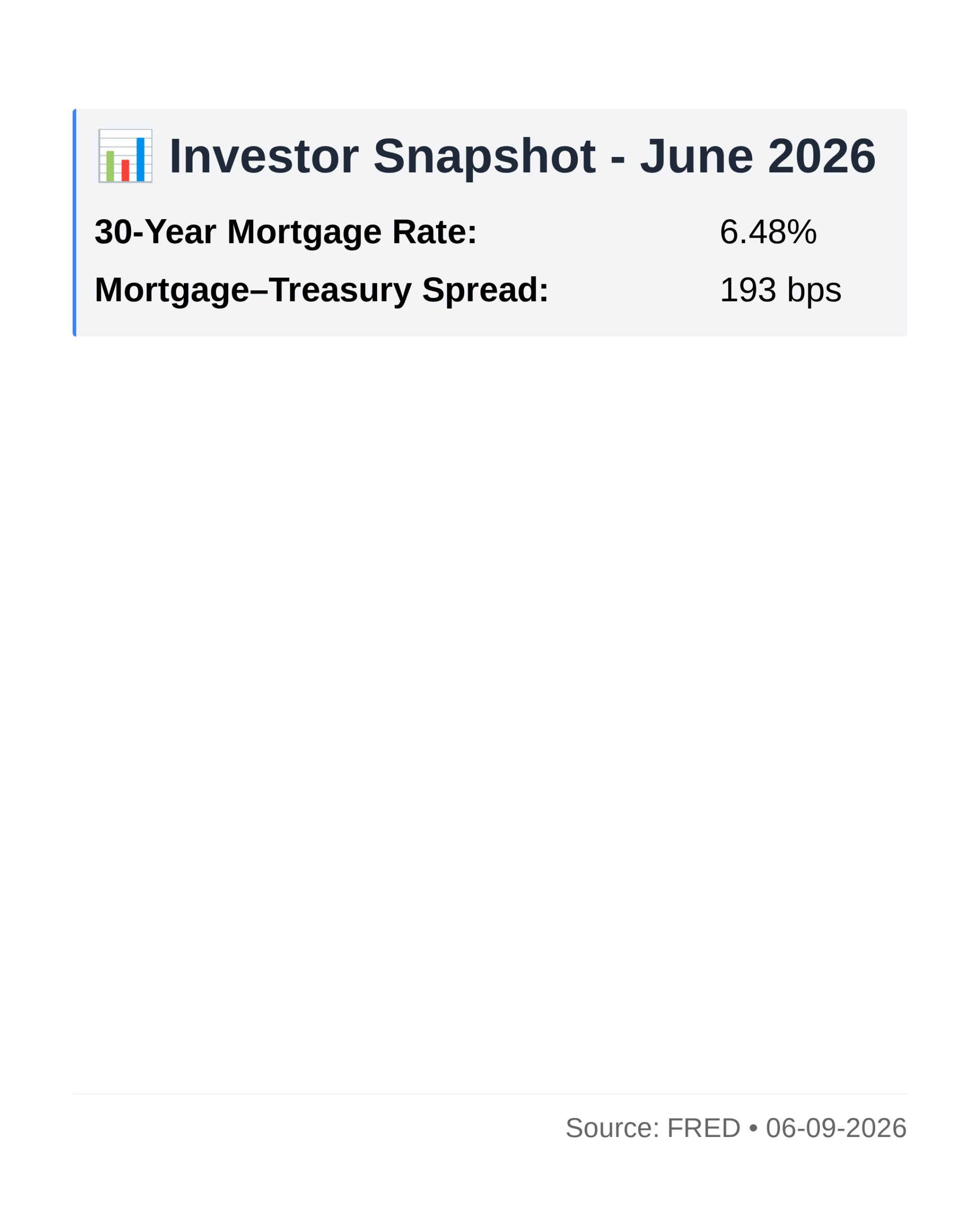
📊 Investor Snapshot – June 2026
| 30-Year Mortgage Rate: | 6.48% |
| Mortgage–Treasury Spread: | 193 bps |
Current Market Conditions
As of June 2026, the real estate market is navigating a complex landscape shaped by evolving economic dynamics and shifting investor sentiment. The mortgage rate environment is a pivotal factor influencing market conditions. Currently, the average mortgage rate for a 30-year fixed loan stands at 4.85%, reflecting a gradual increase from 4.35% in January 2026. This upward trajectory is primarily driven by inflationary pressures and the Federal Reserve’s tightening monetary policy. Over the past year, mortgage rates have been on a consistent rise, increasing by approximately 0.5%, signaling a more expensive borrowing environment for homebuyers. The trend suggests that mortgage rates are likely to continue their ascent, albeit at a moderated pace, as economic indicators stabilize and inflation shows signs of easing.
The mortgage-treasury spread, a critical indicator of lender risk perception, currently hovers around 195 basis points. This spread has widened from 175 basis points in early 2026, suggesting an increased risk premium demanded by lenders. The spread expansion is indicative of heightened caution among lenders, likely attributable to macroeconomic uncertainties and concerns about borrowers’ creditworthiness in a rising rate environment. Analysts interpret this as a sign of cautious optimism, where lenders remain watchful but not overly bearish. This spread is crucial for investors to monitor as it reflects the underlying risk appetite within the financial markets and can influence credit availability and cost.
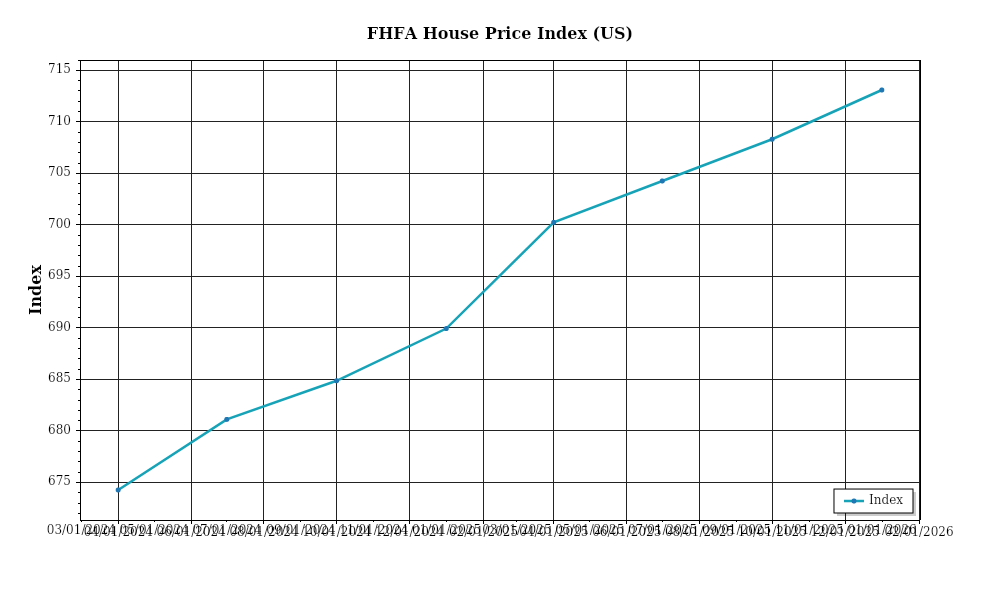
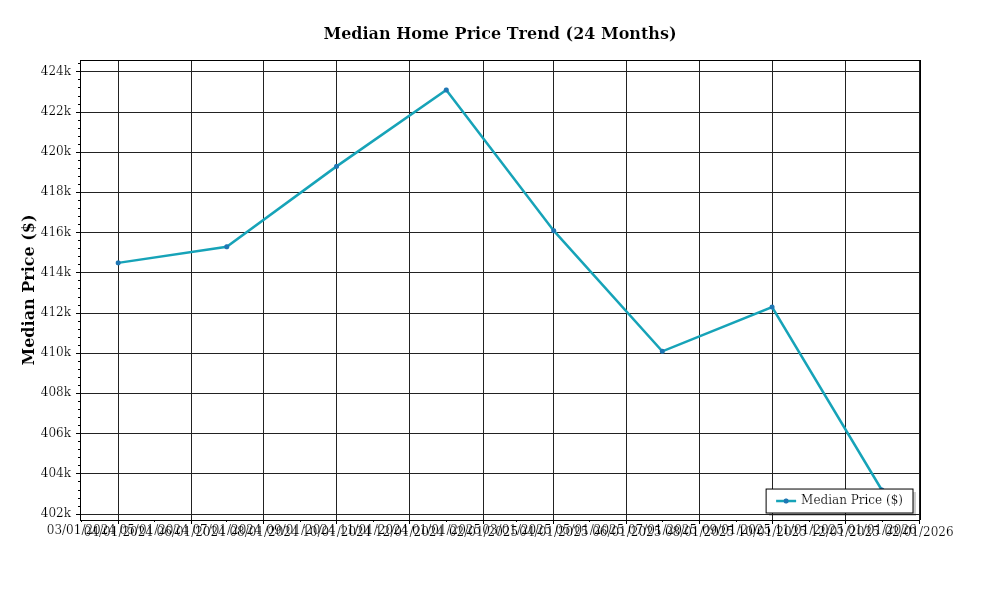
Turning to home prices, the median home price in the United States as of June 2026 is $426,000, marking a 3.2% year-over-year increase. This appreciation rate, while positive, represents a deceleration from the 5.5% annual growth observed in June 2025. The cooling in appreciation rates can be attributed to the higher cost of borrowing and a slight increase in inventory levels. However, regional variations persist, with the Southeast experiencing a robust 5.4% increase in median prices, driven by strong demographic trends and economic growth, while the Midwest sees a more modest 1.8% rise, reflecting regional economic disparities and slower population growth. For investors, these variations highlight the importance of localized market analysis in investment decision-making.
Inventory dynamics are a critical component of current market conditions, with total housing inventory standing at 1.6 million units, up from 1.5 million in June 2025. The months’ supply of inventory has increased slightly to 3.8 months, indicating a market that is gradually moving towards balance but still favors sellers. The increase in supply is partly due to new construction projects coming to fruition and a rise in homeowners opting to sell due to favorable equity positions. However, competition remains intense, particularly in high-demand regions such as the Sun Belt, where inventory levels are tighter. This dynamic creates both opportunities and challenges for investors, as increased competition can drive up acquisition costs yet also promises potential for appreciation in high-demand areas.
Cap rate trends offer further insights into the market’s health, with current average cap rates for commercial real estate at 5.5%, a slight compression from 5.7% in June 2025. This compression indicates strong demand for income-producing properties and a willingness among investors to accept lower yields in exchange for perceived stability and long-term growth potential. However, the extent of yield compression varies across asset classes, with multifamily properties experiencing the most significant compression due to their resilience and strong occupancy rates, while office spaces see a more moderate shift due to ongoing remote work trends. For investors, understanding cap rate dynamics is crucial for assessing potential returns and aligning investment strategies with market realities.
Financing Environment & DSCR Analysis
In June 2026, the financing environment is heavily influenced by the current interest rates, which have been steadily rising due to inflationary pressures and central bank policies aimed at stabilizing the economy. The increase in interest rates directly affects the Debt Service Coverage Ratios (DSCR) across the real estate market. A higher interest rate environment translates into increased borrowing costs, thereby impacting the DSCR that investors and lenders consider healthy. Traditionally, lenders have required a DSCR of at least 1.25x to ensure that the property generates enough income to cover its debt obligations. However, in this current climate, there is a noticeable shift towards more conservative lending practices, with many institutions now favoring a DSCR threshold of 1.35x or higher. This adjustment reflects the increased risk perception due to the volatile rate environment.
The implications of these DSCR requirements are significant for rental property cash flows. Consider a rental property generating a net operating income (NOI) of $150,000 annually. Under a 1.25x DSCR requirement, the maximum annual debt service would be $120,000. However, with a 1.35x requirement, the maximum allowable debt service reduces to approximately $111,111. In this scenario, investors must either increase the property’s NOI or decrease the loan amount to meet these stricter criteria. This situation necessitates a reevaluation of cash flow strategies, potentially leading to a greater focus on optimizing rental income and minimizing operational costs to maintain favorable cash flow positions.
The current market also sees a widening gap in hard money and bridge loan rate premiums. These short-term, high-interest loans are typically used when traditional financing is unavailable or during property transitions. In 2026, the rates for these loans have escalated further, often exceeding 10%, reflecting the increased risk and scarcity of capital in the market. Despite their high cost, these loans remain crucial for investors looking to bridge financing gaps, acquire properties quickly, or undertake renovations that traditional lenders may not support. Investors must weigh the cost of these loans against potential returns, ensuring that the increased interest does not erode the profitability of their real estate ventures.
The decision to refinance or hold existing mortgages is another critical consideration in the current rate environment. With rates likely to remain elevated in the near term, investors are advised to carefully evaluate their refinancing options. Those with loans maturing soon may need to refinance at higher rates, which could significantly impact cash flows if DSCR thresholds are not met. Conversely, holding existing financing with lower rates could be advantageous, preserving cash flow and maintaining leverage until the rate environment stabilizes. This strategic timing is crucial, as premature refinancing could lock in unfavorable rates, affecting long-term profitability.
Finally, the current financing climate significantly impacts acquisition criteria and underwriting standards. Investors and lenders are revisiting their thresholds, with a heightened focus on properties with strong cash flow potential and robust tenant demand. This shift necessitates more stringent underwriting, incorporating stress tests to evaluate how properties would perform under various economic scenarios. In particular, properties in high-demand areas or those with value-add potential are more likely to meet the stricter DSCR and underwriting standards, as they offer a buffer against rising costs and potential market downturns. Investors must adapt to these evolving acquisition criteria, ensuring that their portfolios remain resilient in a challenging financing environment.
Investment Strategy & Risk Management
Navigating the current real estate market requires a keen understanding of market dynamics and a strategic approach to timing and opportunity identification. With the market in a state of flux, investors should be vigilant about timing their entries and exits. While some markets are experiencing heightened volatility, others present unique opportunities due to evolving demographic trends and economic shifts. Investors should capitalize on these opportunities by focusing on areas with strong job growth, infrastructure improvements, and favorable regulatory environments. In terms of market timing, the second half of 2026 appears poised for potential stabilization, suggesting that strategic acquisitions made now could benefit from future appreciation.
Risk management is paramount in today’s real estate environment. Key risk factors include interest rate fluctuations, inflationary pressures, and potential market corrections. To mitigate these risks, investors should maintain a diversified portfolio across different asset classes and geographic locations. This diversification helps cushion against localized downturns and economic disruptions. Additionally, implementing a conservative underwriting approach that stress tests assumptions against potential market downturns can safeguard investments. This involves adjusting acquisition criteria by focusing on properties that offer strong fundamentals, such as low vacancy rates and high tenant demand.
Adjusting acquisition criteria and underwriting standards is essential to sustaining profitability. Investors should prioritize properties with favorable cap rates and those that support healthy debt service coverage ratios (DSCRs) to ensure continued cash flow. This includes scrutinizing cash-on-cash returns and ensuring that assumptions about rent growth are realistic and achievable in the current economic climate. By adopting a stringent underwriting process, investors can better navigate potential pitfalls and maximize their return on investment.
In conclusion, while the current market presents challenges, it also offers significant opportunities for astute investors. By focusing on strategic market timing, robust risk management, and rigorous underwriting standards, investors can capitalize on emerging opportunities and mitigate potential risks. Now is the time for investors to harness these strategies, ensuring they are well-positioned to thrive in this dynamic market environment.
Key Considerations for Investors
- Fix-and-flip strategies: Maintain a maximum holding cost threshold of 5% of the property’s ARV to protect margins during extended sales periods.
- Spread risk: Ensure that the expected profit margin exceeds 20% to account for unforeseen expenses and market shifts.
- Exit timing: Target a 6-month turnaround to minimize exposure to market volatility and holding costs.
- Contingency planning: Allocate a minimum of 10% of the renovation budget for unexpected costs.
- Buy-and-hold tactics: Aim for cap rates above 7% to ensure adequate returns amid rising interest rates.
- DSCR cushions: Maintain a DSCR of 1.25 or higher to ensure sufficient cash flow to cover debt obligations.
- Bridge financing: Secure flexible draw schedules and maintain a contingency reserve of at least 10% to cover unexpected costs.
- Market timing: Capitalize on acquisition opportunities during seasonal slowdowns to negotiate better pricing.
- Geographic focus: Target markets with projected employment growth exceeding 3% annually for superior risk-adjusted returns.
- Conservative underwriting: Stress test assumptions by modeling scenarios with a 10% decrease in rental income to assess resilience.
By implementing these strategies and maintaining a proactive approach, investors can confidently navigate the complexities of the current market and achieve sustained success.
Resources
External References
Disclaimer: This market analysis is for informational purposes only and should not be considered financial or investment advice. Market conditions can change rapidly. Consult with a qualified financial or lending professional before making any decisions.