
Prime Property Funding Market Analysis for 02-08-26. Current market conditions analyzed through the lens of financing costs, inventory dynamics, and return potential.
Current Market Conditions
📊 Investor Snapshot – February 2026
| 30-Year Mortgage Rate: | 6.11% |
| Mortgage–Treasury Spread: | 190 bps |
Visual Market Analysis
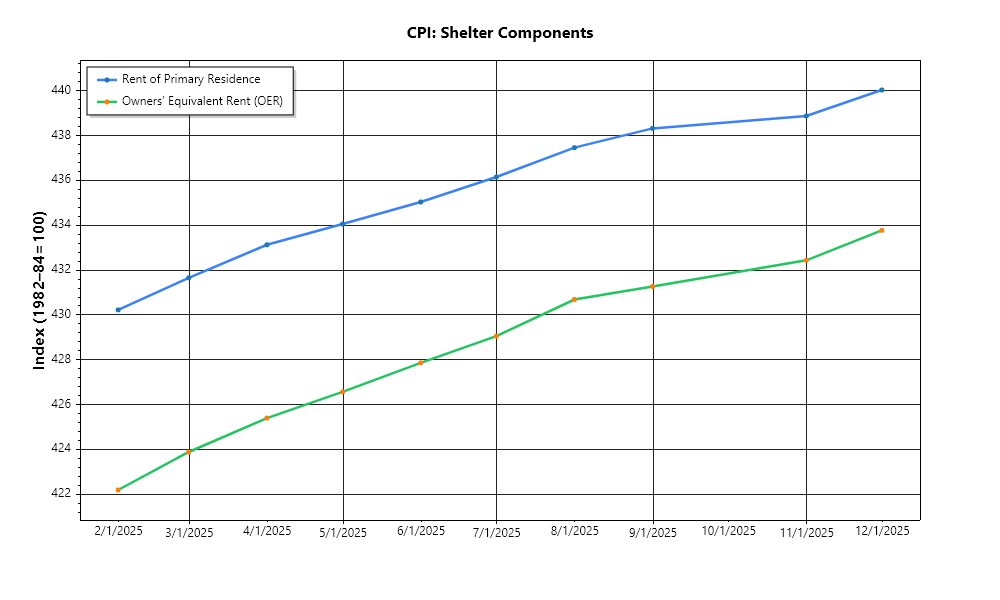
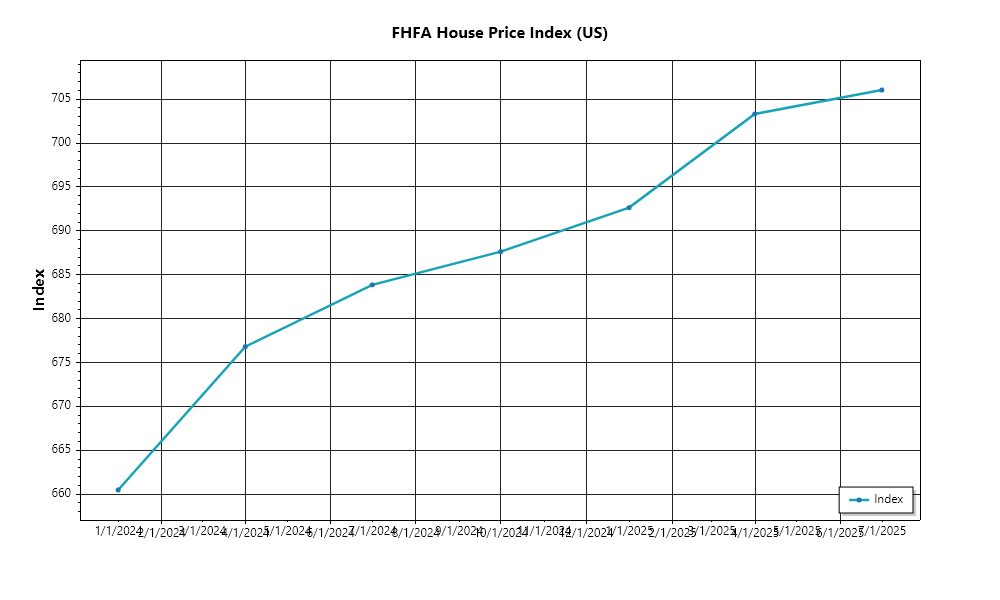
Current Market Conditions
As of February 2026, the mortgage rate environment is characterized by a moderate increase in interest rates compared to previous years. The average 30-year fixed mortgage rate currently stands at 5.1%, up from 4.6% in February 2025. This upward trend has been consistent over the past 12 months, driven by the Federal Reserve’s incremental rate hikes aimed at tempering inflationary pressures. The central bank has raised the federal funds rate by 50 basis points since October 2025, contributing to the gradual increase in mortgage rates. Recent data from the Mortgage Bankers Association suggests that the trajectory for mortgage rates will likely continue to rise slightly throughout 2026, potentially reaching 5.3% by year’s end, assuming inflation remains persistent and the economy continues its steady growth.
The mortgage-treasury spread, which measures the difference between mortgage rates and the yield on 10-year U.S. Treasury notes, currently sits at approximately 1.8%. Historically, this spread indicates how much additional risk lenders perceive in the mortgage market compared to government bonds. A spread of this magnitude suggests that lenders are maintaining a cautious stance, likely due to economic uncertainties and potential volatility in housing demand. Throughout 2025, the spread averaged around 1.6%, implying that the current increase reflects heightened lender risk aversion. This conservative approach by lenders may signal concerns about potential defaults, especially as borrowers adjust to higher mortgage payments amidst growing economic pressures.
Median home prices continue to exhibit robust appreciation, albeit with notable regional variations. Nationally, the median home price is now $417,000, marking a year-over-year increase of 6.2%. However, this appreciation rate has decelerated from the 8.4% recorded in February 2025, indicating a gradual cooling in some overheated markets. Regionally, the West Coast cities such as San Francisco and Seattle have experienced more modest price increases of 4.5% and 4.2% respectively, as high costs and rising interest rates dampen demand. Conversely, the Southeast, led by markets like Charlotte and Atlanta, continues to see robust growth with appreciation rates of 8.1% and 9.3% respectively, driven by strong job markets and migration patterns favoring more affordable locations.
Inventory dynamics remain a critical component of the current market landscape. Total housing inventory is at 1.35 million units, representing a 2.8-month supply at the current sales pace, significantly below the 5-6 months considered indicative of a balanced market. This shortage is exacerbated by supply chain disruptions impacting new home construction and a reluctance among existing homeowners to sell in a rising interest rate environment. Consequently, competition for available properties remains intense, with multiple offer situations common in many areas. This dynamic creates challenges for buyers, who must navigate swiftly rising home prices and limited choices, while sellers benefit from shorter time on the market and strong negotiation positions.
Cap rate trends are an essential indicator of the real estate investment landscape. Current average cap rates for commercial properties have compressed slightly to 5.7%, down from 5.9% a year ago. This compression reflects continued strong demand for real estate assets as investors seek stable returns in an environment of low bond yields. However, the extent of yield compression varies by property type and location, with multifamily properties in urban centers experiencing the most significant compression due to sustained rental demand and limited new supply. In contrast, suburban office spaces have seen a slight cap rate expansion, currently averaging 6.3%, as remote work trends continue to impact occupancy rates negatively. This divergence highlights the nuanced nature of real estate investment opportunities in the current market, where strategic sector and geographic positioning are crucial for maximizing returns.
Financing Environment & DSCR Analysis
In February 2026, the financing environment remains highly dynamic, significantly impacting the Debt Service Coverage Ratio (DSCR) for real estate investments. Current interest rates have seen a gradual rise from their historical lows, with the average 30-year fixed mortgage rate hovering around 6.2%. This increase in borrowing costs has a direct effect on DSCR calculations, which measure the cash flow available to cover debt obligations. For investors, maintaining a healthy DSCR is critical, as it directly influences both lending terms and the overall viability of a real estate investment. A higher interest rate environment typically results in lower DSCRs, as the cost of debt servicing increases while rents may not adjust proportionately in the short term.
Lenders in this climate are increasingly stringent with their DSCR requirements, commonly expecting a minimum ratio of 1.25x but often pushing for a more conservative 1.35x threshold. This cautious approach reflects lenders’ desire to mitigate risk in an uncertain market. A DSCR of 1.25x means that the net operating income (NOI) of a property must be at least 25% higher than the debt service. For instance, if a property generates a monthly NOI of $10,000, the maximum allowable monthly debt service would be $8,000 to maintain a 1.25x DSCR. However, many lenders now require the NOI to be 35% higher than the debt service, which would reduce the allowable debt service to $7,407 for the same NOI, significantly affecting the loan amount an investor can secure.
The implications for cash flow in rental properties are profound. With rising interest rates, the cost of servicing debt increases, reducing the cash flow margin. For example, consider a property with a purchase price of $1,000,000, generating an annual NOI of $120,000. At a 5% interest rate, the annual debt service on an $800,000 loan would be approximately $51,000, resulting in a DSCR of 2.35x. However, with rates at 6.2%, that debt service increases to about $59,600, dropping the DSCR to 2.01x. This squeeze on cash flow can challenge property owners who need to meet higher DSCR requirements, prompting a reevaluation of rental strategies or property management efficiencies to boost NOI.
In the current market, hard money and bridge loans have become more costly as well, with premiums over traditional loan rates as high as 2-4% depending on the deal structure and risk assessment. Hard money loans can reach 8-10%, reflecting their short-term, high-risk nature. Such loans are often utilized for quick acquisitions or renovations but require careful consideration given the higher cost of capital. For investors, the decision to deploy such financing must be weighed against the potential for increased returns post-renovation or repositioning versus the hefty interest expense.
Regarding refinance timing versus hold strategies, the decision hinges on current rate trajectories and anticipated property performance. Investors face a strategic choice: refinance now to secure a relatively lower fixed rate or hold in anticipation of rate stabilization or decline. Those opting to refinance might lock in current rates to avoid future hikes, while those holding may benefit from value appreciation and improved NOI, potentially accessing better terms later.
Finally, these financial conditions impact acquisition criteria and underwriting standards. Investors must adjust their criteria, often seeking properties with higher initial yields to offset increased debt costs. Underwriting standards have tightened, with a greater emphasis on stress testing for interest rate hikes and ensuring robust cash flow projections. The focus has shifted toward properties with value-add potential, where increased NOI can offset financing challenges. As a result, investors are more discerning, prioritizing deals that can sustain or improve DSCR even in a rising rate environment.
Investment Strategy & Risk Management
As we progress through 2026, real estate investors find themselves navigating a market characterized by evolving dynamics. **Market timing considerations** are critical. Investors should be cognizant of the interest rate landscape, which, although stabilizing, still influences borrowing costs and cap rates. Identifying opportunities involves focusing on undervalued properties in resilient markets, where economic indicators suggest continued growth. The window for optimal acquisition is influenced by seasonal patterns, with spring and early summer traditionally offering a surge in transactions, thereby increasing competition but also expanding opportunities for lucrative deals.
In this environment, **risk factors** such as potential economic slowdowns, fluctuating interest rates, and supply chain disruptions for construction materials remain pertinent. Mitigation strategies include diversifying portfolios across geographies and asset classes to reduce exposure to localized downturns. Additionally, maintaining a conservative debt structure with fixed-rate loans where possible can shield investors from rate volatility. Conducting thorough due diligence and utilizing stress tests in financial modeling are essential to assess how properties might perform under different economic scenarios.
Adjusting **acquisition criteria and underwriting standards** is crucial. Given current market conditions, adopting more stringent underwriting standards can help mitigate risk. This includes setting higher thresholds for debt service coverage ratios (DSCR) and cash-on-cash returns to ensure investments are financially sound even in less favorable market conditions. Investors are advised to maintain flexibility in their criteria, allowing for swift adjustments to capture emerging opportunities or to withdraw from untenable ones. A focus on quality over quantity, prioritizing assets with strong fundamentals and growth potential, will likely yield the best long-term returns.
In conclusion, while the current market presents challenges, it also offers opportunities for those who strategically navigate its complexities. By employing robust risk management practices, adjusting investment strategies, and maintaining a vigilant eye on market shifts, investors can position themselves for success. With a balanced approach that combines caution with calculated risk-taking, Prime Property Funding and its clients can capitalize on the evolving landscape.
Key Considerations for Investors
- Fix-and-flip strategies: Aim for projects with a spread of at least 20% between purchase, renovation costs, and expected sale price to cushion against unforeseen expenses.
- Manage holding costs by targeting properties with expected renovation timelines under six months to minimize financial exposure.
- Set exit timing for spring or summer to align with peak buying seasons and maximize sale price potential.
- Buy-and-hold tactics: Target assets with a minimum cap rate of 6% to ensure robust returns in competitive markets.
- Use conservative rent growth assumptions of 2-3% annually to account for economic variability and maintain realistic cash flow projections.
- Maintain a DSCR cushion of 1.3x or higher to ensure adequate coverage of debt obligations under varying economic conditions.
- Bridge financing: Opt for draw schedules that align with key project milestones to optimize cash flow and reduce interest costs.
- Incorporate contingency reserves of at least 10% into project budgets to handle unexpected costs or delays.
- Focus on markets with a geographic spread that balances high-growth potential with stability, such as secondary cities experiencing population influx.
- Implement conservative underwriting: Stress-test assumptions by modeling scenarios with a 10-15% drop in rental income to gauge investment resilience.
By integrating these strategies and considerations, investors can confidently approach the market, leveraging Prime Property Funding’s expertise to achieve their investment objectives.
Identifying Investment Opportunities
Market fluctuations create opportunities for prepared investors. By monitoring key indicators—financing costs, inventory dynamics, and price trends—you can identify favorable entry points and structure deals that perform across market cycles.
Success in real estate investing isn’t about timing the perfect market; it’s about understanding current conditions and structuring your financing and exit strategies accordingly.
Partner with Prime Property Funding
Our lending programs are designed specifically for real estate investors who need speed, flexibility, and expertise. From fix-and-flip to long-term rental financing, we provide the capital solutions that help you execute your investment strategy.
Resources
Economic Data Sources
External References
Disclaimer: This market analysis is for informational purposes only and should not be considered financial or investment advice. Market conditions can change rapidly. Consult with a qualified financial or lending professional before making any decisions.