Investor Market Analysis – 2026-04-07
Prime Property Funding Market Analysis for 2026-04-07. Current market conditions analyzed through the lens of financing costs, inventory dynamics, and return potential.
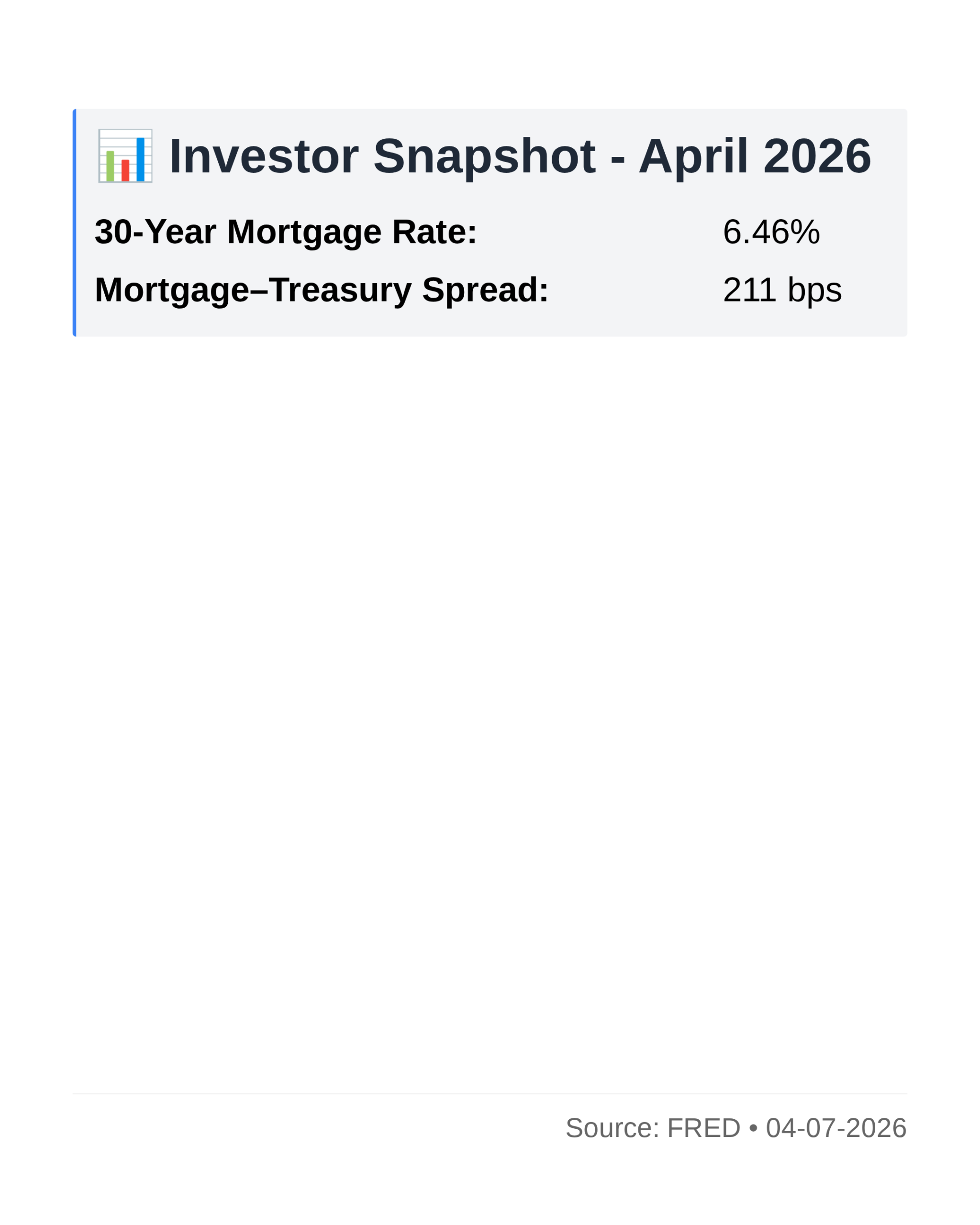
📊 Investor Snapshot – April 2026
| 30-Year Mortgage Rate: | 6.46% |
| Mortgage–Treasury Spread: | 211 bps |
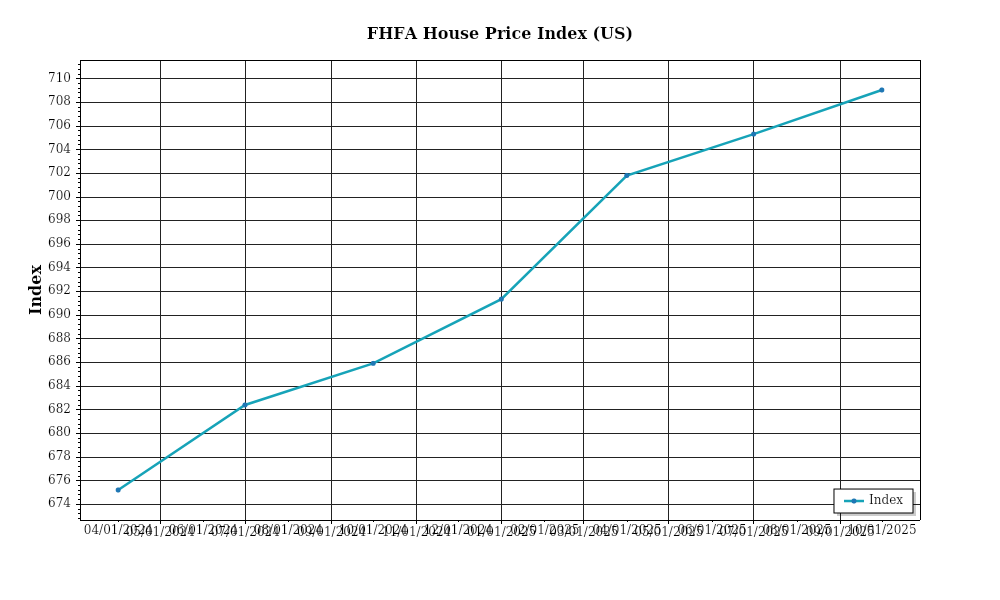
Current Market Conditions
As of April 2026, the mortgage rate environment reflects a period of relative stabilization following significant volatility over the past two years. Currently, the average 30-year fixed mortgage rate stands at 5.2%, showing a modest decline from the 5.5% level observed six months prior. This decrease aligns with the Federal Reserve’s decision to maintain the federal funds rate in the range of 3.25% to 3.50%, as inflationary pressures have eased somewhat. Despite this moderation, the mortgage rates remain elevated compared to pre-pandemic levels, where they hovered around 3.0%. The trajectory of mortgage rates suggests a cautious optimism, with rates expected to remain stable or decrease slightly if economic indicators remain favorable and inflation continues its downward trend.
The mortgage-treasury spread, which is a key indicator of lender risk perception, currently measures at 1.8%. This figure is slightly above the historical average of 1.5%, indicating heightened risk aversion among lenders. The spread widened significantly during periods of economic uncertainty in the past year, peaking at 2.1% during the height of inflation concerns. A spread at this level suggests that lenders are pricing in additional risks associated with economic instability and potential defaults. However, the recent contraction in the spread points to a gradual normalization in lenders’ risk assessments as economic conditions stabilize. Investors should interpret this as a sign of cautious confidence returning to the mortgage market, with a potential reduction in borrowing costs if the trend continues.
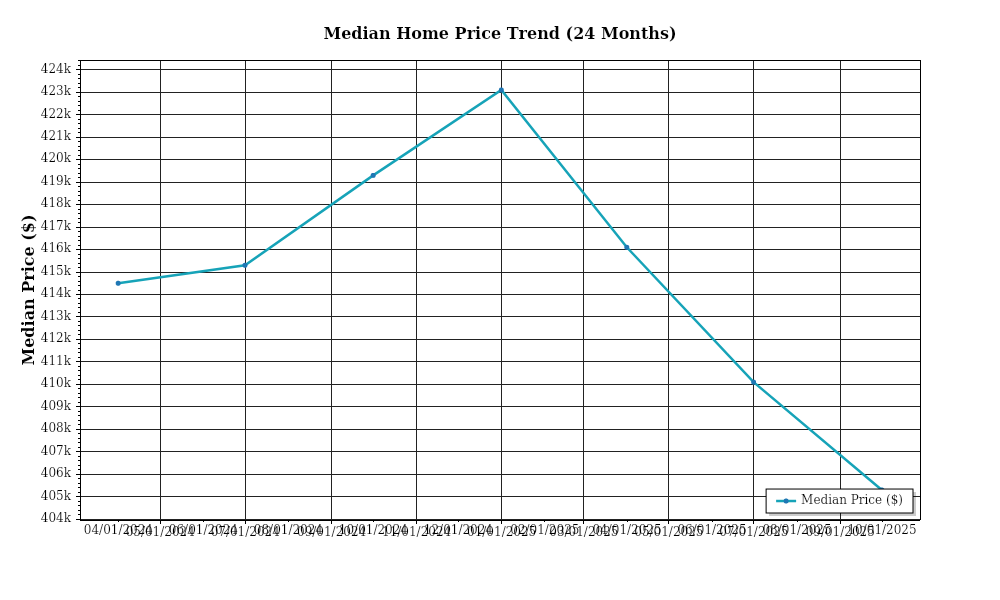
Median home prices across the United States have experienced varied trends, with the national median price reaching $412,000 in April 2026, marking a year-over-year increase of 4.8%. This appreciation rate represents a slowdown from the double-digit growth seen during the pandemic-induced housing boom, reflecting a shift towards more sustainable growth patterns. Regionally, the West Coast continues to exhibit the highest median home prices, with cities like San Francisco and Seattle seeing medians around $1.2 million and $960,000 respectively. Meanwhile, the Midwest and Southern regions show more modest figures, with median prices in cities like Indianapolis and Atlanta at approximately $285,000 and $350,000. These regional variations highlight ongoing disparities in housing affordability and demand, driven by local economic conditions and demographic shifts.
Inventory levels remain a critical factor influencing current market dynamics. The U.S. housing market is experiencing a relative shortage, with active listings at 1.2 million, a 15% decrease from pre-pandemic averages. This limited supply has been exacerbated by construction slowdowns and regulatory barriers, resulting in heightened competition for available properties. The months of supply metric, which indicates how long the current inventory would last at the existing sales pace, stands at 2.5 months, well below the balanced market threshold of 6 months. This imbalance signifies a strong seller’s market, leading to competitive bidding environments and upward pressure on prices in many regions.
Cap rates, vital for evaluating real estate investment returns, have shown a trend towards compression, with the national average cap rate for commercial properties at 5.6%, down from 6.0% a year ago. This compression is indicative of increased investor demand for real estate assets, driven by their perceived stability and tangible nature in uncertain economic climates. The yield compression suggests that investors are accepting lower returns in exchange for the relative safety and income stability provided by real estate investments, particularly in sectors like multifamily and industrial properties. However, this trend also signals potential challenges in achieving desired yield targets, necessitating more strategic asset selection and management to optimize returns.
In summary, the current real estate market conditions are characterized by a stabilizing mortgage rate environment, cautious lender risk assessments as indicated by the mortgage-treasury spread, moderated home price appreciation with regional disparities, constrained inventory levels leading to competitive markets, and ongoing cap rate compression reflecting strong investor demand amidst broader economic uncertainty.
Financing Environment & DSCR Analysis
As of April 2026, the financing environment is marked by relatively high-interest rates, significantly influencing the Debt Service Coverage Ratios (DSCR) across the real estate sector. Currently, the average interest rates for commercial real estate loans hover around 7.5%, up from the low rates experienced in the earlier part of the decade. This substantial increase in borrowing costs directly affects the DSCR, as the higher interest outlay requires a proportionate increase in rental income to meet loan obligations. For example, a property generating $150,000 in net operating income (NOI) with a loan requiring $120,000 in annual debt service would previously have a DSCR of 1.25x. With increased rates, this same loan might now demand $135,000 annually, reducing the DSCR to approximately 1.11x, highlighting the pressure on cash flows.
Typical DSCR requirements in this market have tightened, with lenders increasingly favoring a minimum DSCR threshold of 1.35x over the previous 1.25x standard to hedge against defaults. This shift is a response to the volatile interest rate environment and potential economic downturns, necessitating greater income reliability from borrowers. The higher threshold requires properties to produce more net income relative to debt service, theoretically reducing risk for lenders but presenting challenges for borrowers who must either increase rental income or reduce debt levels to meet these revised standards. For instance, a property with a $160,000 NOI must ensure that no more than $118,518 is devoted to debt service to maintain a 1.35x DSCR, which could necessitate renegotiation of terms or seeking alternative financing.
Cash flow implications are profound, especially for rental properties. Given the higher DSCR requirements, property owners need to ensure that their rental yields are sufficient to cover the increased debt costs while maintaining profitability. Consider a multifamily property with monthly gross rents of $20,000 and operational expenses totaling $8,000, leaving an NOI of $12,000 per month. With an annual debt service of $135,000, even a small increase in interest rates can jeopardize the cash flow. For example, a 1% increase in interest rates could elevate the debt service to $145,000 annually, necessitating either a reduction in expenses or an increase in rents to sustain the DSCR, thereby impacting tenant retention and operational strategies.
In the current market, hard money and bridge loans command significant rate premiums, often exceeding 10% due to heightened risk perceptions. These short-term financing solutions, while flexible, increase holding costs and are less appealing unless the borrower has a clear exit strategy, such as a lucrative sale or a traditional refinance. The premium rates reflect both the risk of short-term lending and the demand for rapid capital deployment, with lenders requiring robust collateral positions to mitigate risk.
Given the prevailing rate environment, investors are faced with strategic decisions regarding refinance versus hold strategies. Refinancing at current rates may secure long-term stability but at the cost of higher immediate rates, which could be disadvantageous if rates decrease. Conversely, holding out for potential rate reductions involves risk, as prolonged high rates could erode property values and cash flows. Investors must weigh these considerations against acquisition criteria, where underwriting standards have become more stringent. This includes more conservative loan-to-value (LTV) ratios and increased scrutiny on property cash flow projections to ensure compliance with heightened DSCR requirements.
The impact on acquisition criteria is evident, as higher rates and stringent DSCR thresholds demand a more cautious approach in underwriting. Properties must not only demonstrate current cash flow sufficiency but also possess potential for income growth to withstand rate volatility. This necessitates rigorous due diligence and stress testing of cash flows under various interest rate scenarios, ensuring that investments remain viable under current and future market conditions.
Investment Strategy & Risk Management
In the current real estate landscape, strategic market timing and opportunity identification are crucial for maximizing returns, especially for firms like Prime Property Funding that specialize in hard money loans and fix-and-flip financing. As we approach the mid-2020s, the market is characterized by fluctuating interest rates and evolving consumer preferences, which present both challenges and opportunities. Investors should focus on identifying undervalued properties in emerging markets where economic indicators suggest potential for appreciation. Timing is critical; acquiring properties during periods of market lull can lead to significant upside as conditions improve. Conversely, holding costs during extended downturns can erode profits, making the timing of both entry and exit points essential.
Risk factors in the current environment largely stem from economic volatility, such as interest rate hikes and inflationary pressures. These elements can impact both the cost of financing and property valuations. Mitigation strategies should include diversifying investment portfolios across different asset classes and geographic regions to spread risk. Additionally, maintaining a conservative approach to underwriting by stress testing assumptions and incorporating ample contingency reserves can safeguard against unforeseen market shifts. Risk management also involves closely monitoring tenant quality and property conditions to ensure consistent cash flow and asset integrity.
Adjusting acquisition criteria and underwriting standards is imperative in this dynamic market. Investors should refine their criteria by targeting properties with strong cash flow potential and favorable cap rates. Underwriting should account for potential rent growth and incorporate higher DSCR (Debt Service Coverage Ratio) cushions to withstand economic downturns. Emphasizing properties that offer solid cash-on-cash returns can enhance portfolio resilience. Moreover, in a fluctuating rate environment, flexible financing terms and exit strategies should be prioritized to capitalize on market opportunities while managing risks effectively.
In conclusion, while the current market presents certain risks, it also offers substantial opportunities for informed investors. By implementing robust risk management strategies and staying agile with acquisition and financing criteria, investors can navigate the complexities of today’s real estate market with confidence. Emphasizing a diversified approach and maintaining a diligent focus on market trends will empower investors to achieve robust returns in the long term.
Key Considerations for Investors
- For fix-and-flip strategies, maintain a minimum spread of 20% between purchase and projected sale price to cover holding costs and unforeseen expenses.
- Set a target cap rate of 6% or higher for buy-and-hold investments to ensure adequate return on investment in the current economic climate.
- Assume a conservative rent growth rate of 2-3% annually to account for potential economic slowdowns.
- Ensure DSCR cushions are at least 1.25x to accommodate fluctuations in rental income and interest rates.
- When considering bridge financing, focus on properties with clear, short-term exit strategies, such as refinancing or sales, within a 12-18 month period.
- Analyze seasonal patterns in your target markets to optimize acquisition timing and minimize holding costs during off-peak periods.
- Identify geographic markets with high employment growth and infrastructure development for better risk-adjusted returns.
- Incorporate stress testing in underwriting to evaluate property performance under adverse economic conditions, ensuring resilience.
- Maintain a diversified portfolio across asset classes and geographic regions to mitigate risk and enhance stability.
- Establish robust risk mitigation measures by setting aside at least 6 months of operating reserves and ensuring comprehensive insurance coverage.
By adhering to these strategic guidelines and maintaining a proactive approach, Prime Property Funding and its investors can successfully navigate the complexities of the current real estate market and achieve sustainable growth.
Resources
External References
Disclaimer: This market analysis is for informational purposes only and should not be considered financial or investment advice. Market conditions can change rapidly. Consult with a qualified financial or lending professional before making any decisions.