Investor Market Analysis – 2026-04-06
Prime Property Funding Market Analysis for 2026-04-06. Current market conditions analyzed through the lens of financing costs, inventory dynamics, and return potential.
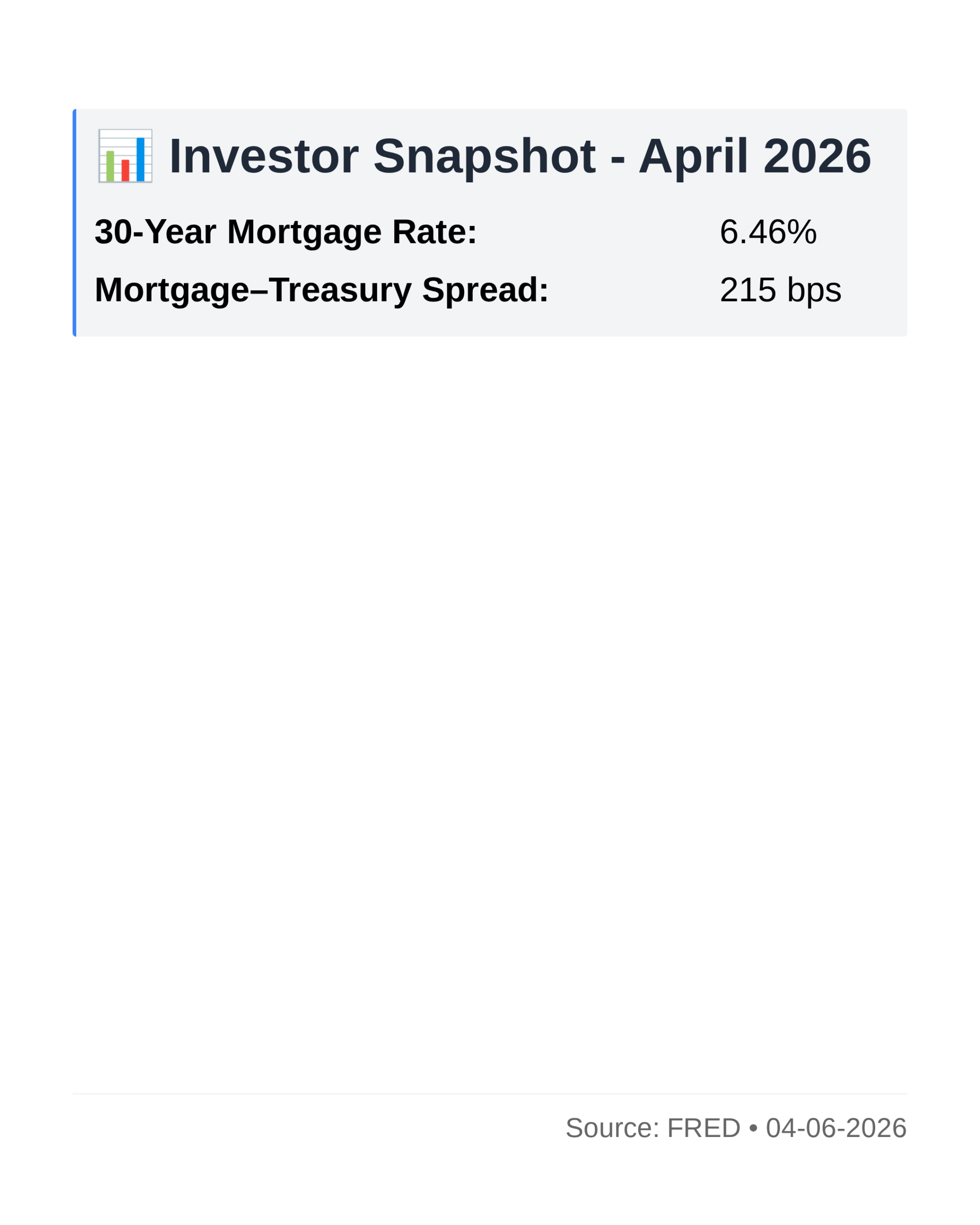
📊 Investor Snapshot – April 2026
| 30-Year Mortgage Rate: | 6.46% |
| Mortgage–Treasury Spread: | 215 bps |
Current Market Conditions
As of April 2026, the real estate market is experiencing a dynamic shift driven by several macroeconomic and sector-specific factors. The mortgage rate environment is a critical area of focus, with the current average 30-year fixed mortgage rate hovering at 5.1%. This marks a slight increase from the 4.8% recorded in January 2026, reflecting a tightening monetary policy by the Federal Reserve as it continues to combat inflationary pressures. The trend over the past year shows a modest but consistent increase in rates, a trajectory expected to persist as economic conditions stabilize and the central bank signals further rate hikes. This rise in mortgage rates is beginning to dampen buyer enthusiasm and affordability, particularly affecting first-time buyers who are more sensitive to rate changes. Consequently, this environment is contributing to a cooling in demand, as reflected in the slowing pace of home sales.
Examining the mortgage-treasury spread, which currently stands at 170 basis points, offers insights into lender risk perceptions. Historically, this spread averages around 150 to 160 basis points, indicating that lenders are perceiving a slight increase in risk. This elevated spread suggests that lenders are factoring in potential economic uncertainties and higher default risks, likely due to economic indicators showing mixed signals about future growth. The wider spread also reflects lenders’ caution in extending credit in a market where home prices have surged significantly over the past few years, raising concerns about a potential correction. This perception of increased risk can lead to tighter lending standards, further influencing the availability of credit to buyers in the market.
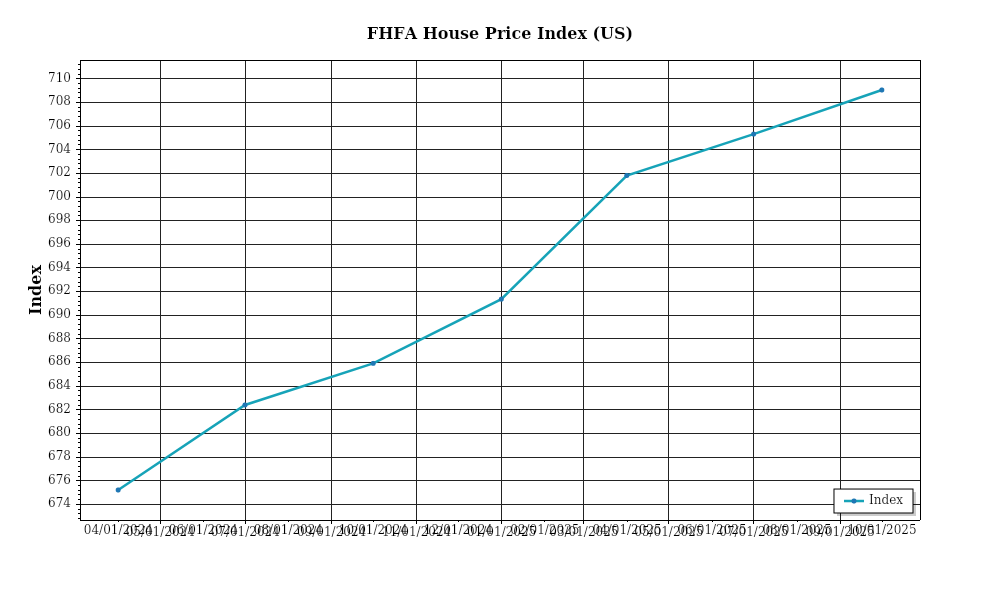
Median home prices continue to exhibit notable variations across regions, with the national median home price recorded at $410,000 as of April 2026. This represents a year-over-year appreciation of approximately 3.5%. While this growth is moderate compared to the double-digit increases seen in 2021 and 2022, it signifies a deceleration that aligns with broader economic trends and increasing interest rates. Regionally, the West Coast markets, such as San Francisco and Los Angeles, have seen a more pronounced slowdown, with median prices rising by only 1.8% and 2.1% respectively, due to affordability constraints and an exodus to more affordable areas. Conversely, regions in the Southeast, particularly cities like Charlotte and Atlanta, are experiencing stronger growth, with median prices climbing by over 5%, driven by robust local economies and an influx of new residents.
The inventory dynamics present a complex picture, with current housing supply levels reflecting a 3.2-month supply, indicating a market slightly tilted towards sellers but moving towards balance. This is a significant improvement from the 2.4-month supply seen in April 2025, as more sellers enter the market motivated by high price levels and the desire to capitalize on accrued equity. However, the inventory remains below the ideal 5-6 month supply that signifies a balanced market, leading to continued competition among buyers, albeit less intense than in previous years. New construction is gradually adding to supply, though labor shortages and material costs continue to pose challenges, keeping new inventory additions below historical averages.
Cap rates, a key indicator for real estate yields, have been experiencing compression over the past several years but are now showing signs of stabilization. The average cap rate for multifamily properties nationally is around 5.2%, slightly up from 5.0% in 2025. This uptick reflects a recalibration as investors adjust expectations amidst rising interest rates and seek higher returns to compensate for increased financing costs. The modest expansion in cap rates suggests that while investor demand remains strong, there is a growing emphasis on risk-adjusted returns. This trend is crucial for investors looking to assess potential acquisitions, as it indicates a shift in market dynamics where conservative underwriting practices and thorough due diligence are increasingly important to navigate the evolving landscape.
Financing Environment & DSCR Analysis
As of April 2026, the current interest rate environment significantly influences the Debt Service Coverage Ratios (DSCR), a critical metric for lenders when assessing risk and borrowers when evaluating financing options. With interest rates having increased steadily over the past few years, lenders are now more discerning, often requiring higher DSCR thresholds. Currently, typical DSCR requirements range between 1.25x to 1.35x, up from the traditional 1.20x seen in less volatile environments. This increase in DSCR requirements stems from lenders’ efforts to mitigate risk amid economic uncertainty, ensuring that properties can generate ample cash flow to cover debt obligations even under stressed scenarios.
The rise in interest rates affects the cash flow of rental properties, directly impacting their DSCR. For illustration, consider a property generating $100,000 annually in net operating income (NOI). With a DSCR requirement of 1.35x, the maximum allowable annual debt service would be approximately $74,074.07 ($100,000 / 1.35). In contrast, at a 1.25x DSCR, the allowable debt service climbs to $80,000. The increasing rates compress cash flows, challenging property owners to either enhance operational efficiencies or increase rental income to maintain or improve DSCRs. As a result, investors face tighter cash flow margins, necessitating vigilant financial management and perhaps more creative revenue-enhancement strategies to meet lender criteria.
In this high-rate environment, the premium for hard money and bridge loans has widened. These short-term financing options, often used for property acquisitions or renovations, now command rates significantly higher than conventional loans. Typically, hard money loans might carry interest rates of 8-10%, while bridge loans can range from 6-8%, reflecting the increased risk and shorter durations associated with these financial products. This premium requires careful consideration of the cost-benefit balance for investors, particularly when weighing these options against longer-term financial commitments.
For investors contemplating refinancing or holding strategies, the current rate environment presents a challenging landscape. Refinancing to lock in lower long-term rates might seem appealing, yet with current rates at historical highs, the timing could be suboptimal unless rates show clear signs of decreasing. Alternatively, a hold strategy allows investors to wait for potentially more favorable conditions, albeit with the risk of continued rate hikes. This decision depends heavily on individual property performance, market conditions, and broader economic forecasts, which should be meticulously analyzed to determine the optimal timing for refinancing.
The current interest rate climate also impacts acquisition criteria and underwriting standards. With DSCR thresholds elevated, underwriting has become more stringent. Lenders now emphasize robust cash flow projections and stress testing scenarios to safeguard against potential downturns. This shift necessitates that investors adopt more conservative acquisition criteria, focusing on properties with strong historical performance, growth potential, and resilience to economic fluctuations. Underwriting now also places greater emphasis on the borrower’s financial strength and experience, further narrowing the pool of eligible borrowers.
Overall, the financing environment as of April 2026 demands a nuanced approach to real estate investment. Investors must navigate higher DSCR requirements, tighter cash flows, and elevated loan premiums, all while strategically timing refinancing and acquisitions to align with evolving market conditions. By understanding these dynamics, investors can make informed decisions that balance risk and reward in today’s challenging financial landscape.
Investment Strategy & Risk Management
As we move through 2026, the real estate market presents both challenges and opportunities for investors, particularly those leveraging hard money loans, fix-and-flip financing, and debt service coverage ratio (DSCR) loans. Market timing is crucial in this environment, with interest rates showing moderate volatility and regulatory changes influencing lending practices. Investors must remain vigilant, identifying opportunities that align with their financial goals while being prepared to act swiftly as favorable conditions arise. Notably, the current environment rewards those who can navigate short-term market fluctuations while maintaining a long-term vision.
Identifying opportunities hinges on understanding both macroeconomic signals and hyper-local market dynamics. Investors should focus on emerging neighborhoods where infrastructure developments or demographic shifts suggest potential for appreciation. However, with inflationary pressures persisting, it is vital to conduct thorough cost-benefit analyses to ensure that acquisition costs, including holding and transaction expenses, do not outweigh potential gains. Flexibility in strategy, such as adjusting hold periods or exit strategies based on market conditions, can enhance profitability.
Risk factors in the current environment include interest rate fluctuations, supply chain disruptions affecting renovation timelines, and evolving tenant preferences impacting demand. Mitigation strategies should involve comprehensive due diligence, robust financial modeling, and conservative underwriting standards. Investors should stress test their assumptions, particularly around rental income projections and renovation costs, to ensure resilience against adverse scenarios. Building contingency reserves to cover unexpected expenses is also prudent.
Adjusting acquisition criteria and underwriting standards is essential. Investors should consider stricter criteria for deal evaluation, focusing on properties with higher margins of safety. This includes prioritizing properties with higher potential cap rates and cash-on-cash returns. Moreover, ensuring properties meet stringent criteria for DSCR can safeguard against potential revenue declines. Diversifying investment portfolios geographically and by asset class will help spread risk, offering insulation against localized downturns.
Key Considerations for Investors
- Fix-and-flip strategies: Aim for a minimum profit margin of 20% to 25% to cover potential holding costs and market uncertainties. Implement a 10% contingency fund in budgets to handle unexpected expenses.
- Exit timing: Develop a flexible exit strategy allowing for both quick sales and holding periods up to 18 months, depending on market conditions.
- Buy-and-hold tactics: Target properties with cap rates of at least 6% in stable or growing rental markets to ensure positive cash flow.
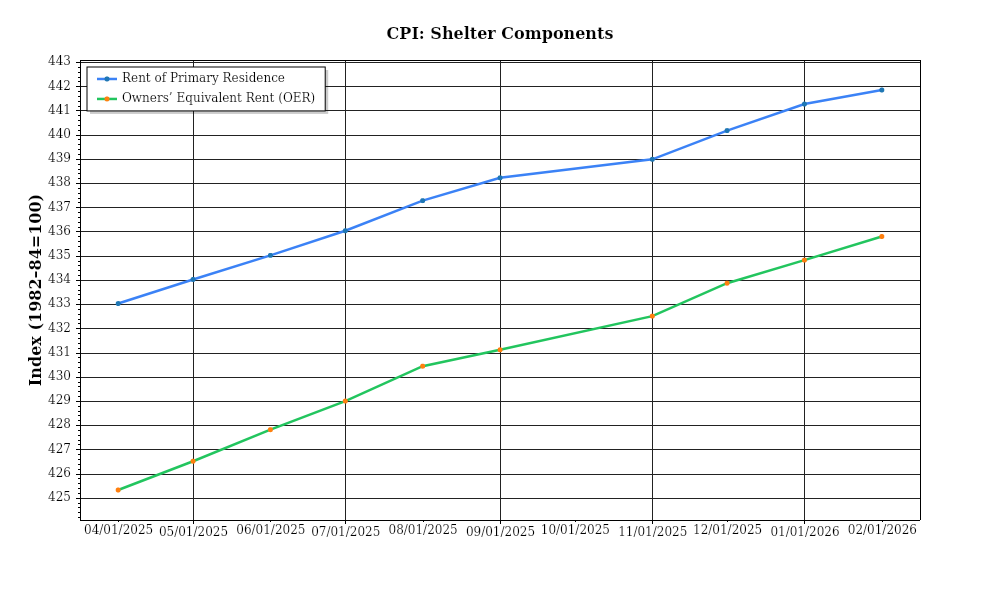
- Rent growth assumptions: Use conservative growth rates of 2% to 3% annually, adjusting for local economic conditions and tenant demand trends.
- Bridge financing: Secure fixed-rate loans where possible to hedge against interest rate hikes, and maintain contingency reserves equivalent to three months of expenses.
- Market timing: Prioritize acquisitions during historically slower seasons, such as winter, when competition may be lower, potentially reducing purchase prices.
- Geographic focus: Investigate markets with strong job growth and affordable entry prices, such as secondary cities with tech sector expansion.
- Conservative underwriting: Perform stress tests assuming a 10% decline in property values or rents to ensure loan obligations remain covered.
- Portfolio diversification: Balance holdings across asset classes (e.g., residential, commercial) and geographic locations to reduce exposure to specific market downturns.
- Risk mitigation: Maintain reserves equal to 5% of property value for maintenance and unexpected repairs, and ensure comprehensive insurance coverage is in place.
By adopting these strategic approaches, investors can navigate the current market with confidence, balancing risk and opportunity to achieve sustainable growth and profitability.
Resources
External References
Disclaimer: This market analysis is for informational purposes only and should not be considered financial or investment advice. Market conditions can change rapidly. Consult with a qualified financial or lending professional before making any decisions.