Investor Market Analysis – 2026-03-26
Prime Property Funding Market Analysis for 2026-03-26. Current market conditions analyzed through the lens of financing costs, inventory dynamics, and return potential.
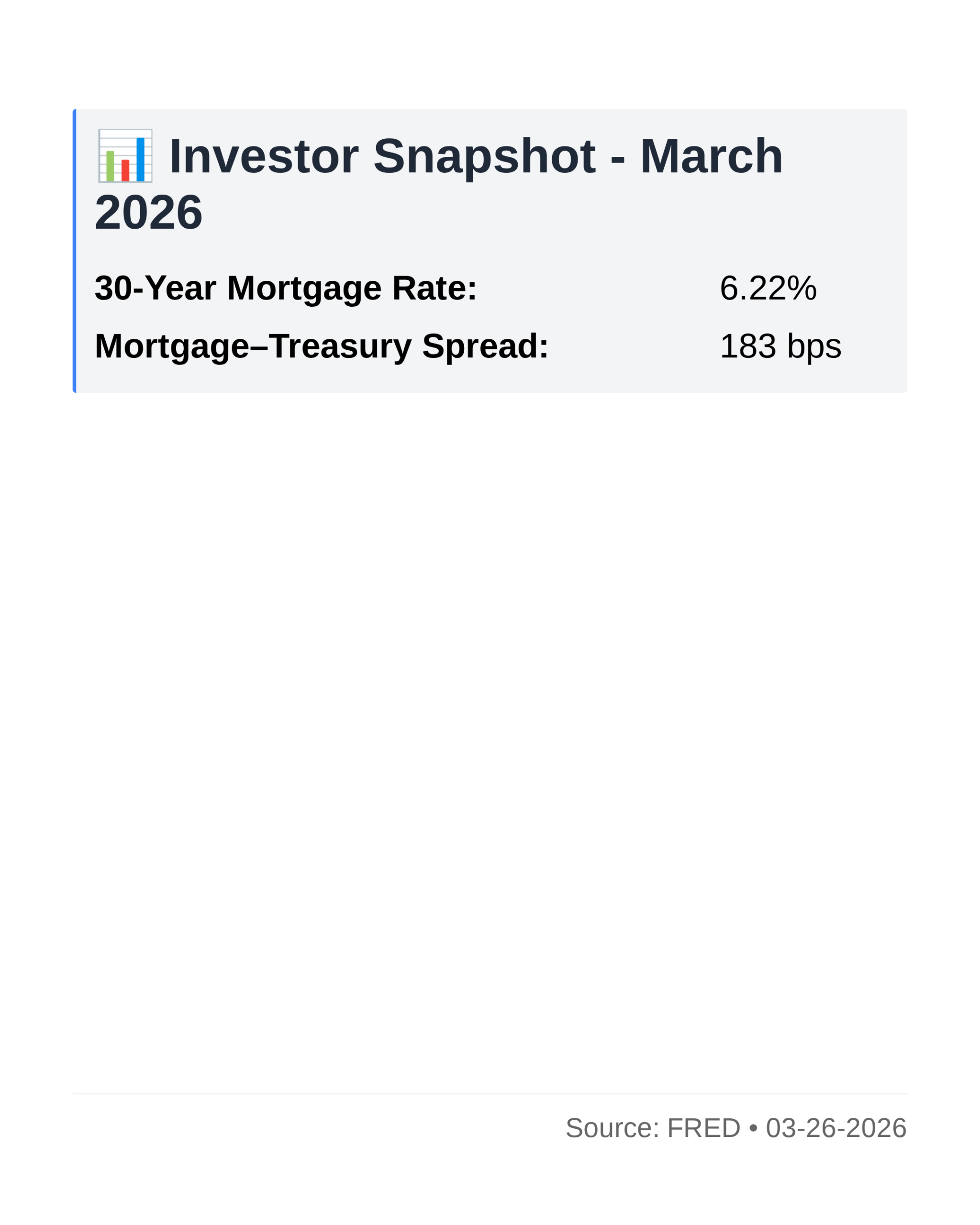
📊 Investor Snapshot – March 2026
| 30-Year Mortgage Rate: | 6.22% |
| Mortgage–Treasury Spread: | 183 bps |
Current Market Conditions
As of March 2026, the real estate market is experiencing a dynamic shift influenced by several key economic indicators. The mortgage rate environment remains a crucial determinant of market activity. Currently, the average 30-year fixed mortgage rate is at 5.1%, reflecting a modest increase from 4.7% recorded in the previous quarter. This upward trend has been consistent over the past year, driven by the Federal Reserve’s incremental adjustments to the federal funds rate aimed at curbing inflation, which averaged 3.2% in 2025. The trajectory suggests that mortgage rates could continue to rise, albeit at a slower pace, as inflationary pressures show signs of easing. However, the current rates still remain below the historical average of 6%, allowing for continued, albeit cautious, borrowing.
An analysis of the mortgage-treasury spread offers further insights into the market’s current conditions. As of now, the spread between the 30-year mortgage rate and the 10-year treasury yield stands at 180 basis points, which is slightly above the historical average of 150 basis points. This increased spread is an indicator of heightened risk perception among lenders, likely due to economic uncertainties and potential volatility in the housing market. The elevated spread suggests lenders are pricing in additional risk premiums, which could be attributed to concerns over borrower defaults or fluctuations in home values. This scenario underscores a cautious lending environment, where financial institutions are leveraging spreads to safeguard against potential market corrections.
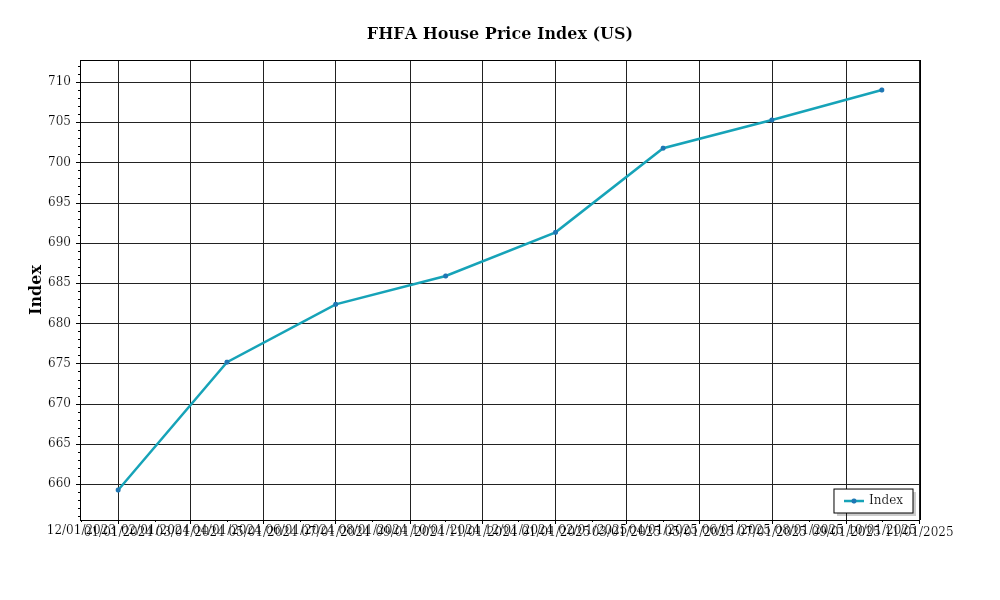
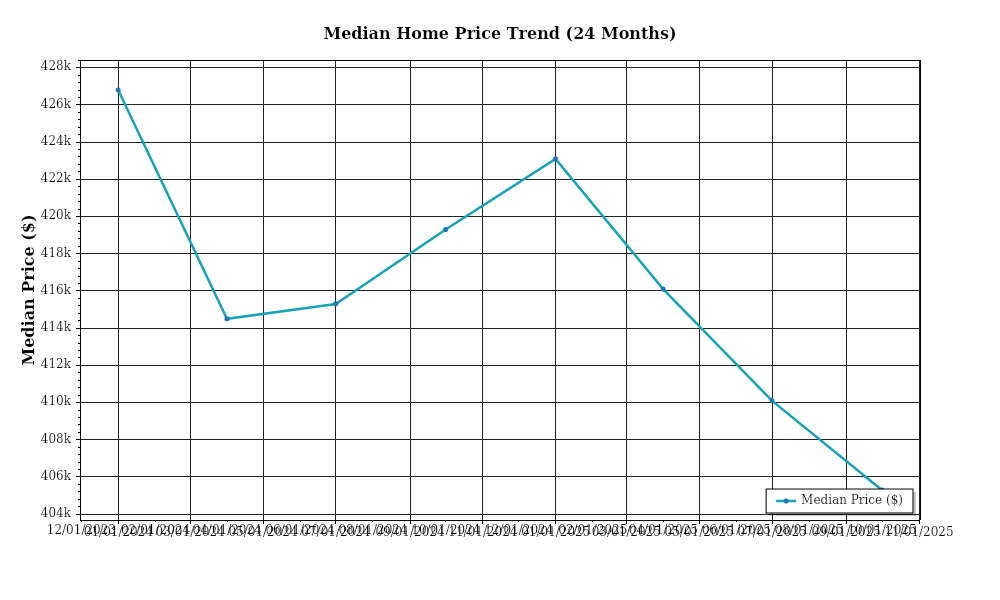
Median home prices continue to exhibit an upward trend, with the national median home price now standing at $412,000, representing a year-over-year appreciation rate of 6%. This rate, while robust, marks a deceleration from the double-digit increases seen in the early 2020s. Regionally, variations are apparent; the West Coast markets, particularly in areas like San Francisco and Seattle, have seen price growth slow to 3%, largely due to affordability constraints and a shift in buyer preferences towards less dense areas. Conversely, the Southeast, including cities like Atlanta and Charlotte, has experienced a 9% appreciation rate, driven by population growth and economic expansion. These regional disparities highlight the importance of localized market conditions in investment decision-making.
Inventory dynamics reveal a market that is still grappling with limited supply. The current inventory level is at 3.4 months, indicating a market that remains skewed towards sellers. This metric, which is below the balanced market threshold of 6 months, points to continued competition among buyers, particularly in sought-after locations. The limited supply is exacerbated by construction slowdowns and supply chain disruptions, which have made it challenging to meet the pent-up demand. This scarcity is contributing to upward pressure on prices and is a critical factor for investors to consider, as it impacts acquisition strategies and potential returns.
Cap rate trends provide insight into commercial real estate valuation and investor sentiment. Nationally, the average cap rate has compressed to 5.4%, down from 5.7% a year ago, reflecting strong demand for income-generating properties and a competitive investment landscape. This yield compression is more pronounced in prime markets, where cap rates have dipped below 5% due to robust tenant demand and favorable economic conditions. However, secondary and tertiary markets are seeing a slower rate of compression, with cap rates hovering around 6%. The variation in cap rate trends suggests that while core markets remain attractive, investors may increasingly look to emerging locations for better yields, despite potentially higher risks.
In summary, the current real estate market is characterized by rising mortgage rates, increased lender caution, consistent home price appreciation with regional variations, constrained inventory levels, and compressed cap rates. These factors collectively influence the environment in which investors operate, underscoring the need for strategic planning based on both macroeconomic trends and localized market dynamics.
Financing Environment & DSCR Analysis
As of March 2026, the financing environment is characterized by moderate interest rates, which have a significant impact on Debt Service Coverage Ratios (DSCR). Current interest rates for commercial real estate loans are hovering around 5.5% to 6.0%, a slight increase from the previous year, reflecting the central bank’s cautious approach to inflation control. This modest rise in rates directly affects DSCR, a critical metric for determining a property’s ability to cover its debt obligations through its cash flow. An increase in interest rates typically results in higher monthly debt payments, thereby decreasing the DSCR unless rental income increases proportionally. For instance, a property with a loan amount of $1 million at an interest rate of 5.5% would have an annual debt service of approximately $68,000. If the property’s net operating income (NOI) is $85,000, the DSCR would be approximately 1.25x, barely meeting the minimum threshold set by many lenders.
In the current market environment, lenders are generally enforcing stricter DSCR requirements, often requiring a minimum of 1.35x compared to the pre-pandemic benchmark of 1.25x. This shift reflects a more conservative approach to mitigate potential risks associated with economic volatility and rental market fluctuations. For investors, this means that properties must generate higher net operating income relative to their debt service obligations to secure favorable loan terms. A property generating a net operating income of $94,500 against the same annual debt service would achieve a DSCR of 1.39x, comfortably exceeding the current threshold. This elevated requirement necessitates a strategic focus on properties with strong rental performance and stable occupancy rates.
The cash flow implications for rental properties are significant in this rate environment. Investors must carefully assess the impact of interest rates on their cash flow projections. For example, using the earlier scenario, if the property owner can increase rents by 5% annually, the NOI would grow to approximately $99,225 in the following year, enhancing the DSCR and improving the property’s financial resilience. However, if the market does not support rent increases due to high vacancy rates or tenant turnover, investors may face cash flow constraints. This underscores the importance of conducting thorough market research and stress testing rental assumptions to ensure sustainable cash flow and adherence to lender requirements.
In terms of alternative financing options, hard money and bridge loan rates are currently carrying a premium, often ranging from 8% to 12% due to their short-term nature and higher risk profile. These loans are typically used for property acquisitions requiring swift closing or for properties that do not yet meet traditional lender criteria. While these options offer flexibility, the higher cost of capital can erode profitability unless the strategy involves a rapid value-add or repositioning that justifies the premium. Investors must weigh these costs against potential gains and ensure that their exit strategies, such as refinancing or sale, are aligned with market conditions and property performance.
Given the current interest rate environment, a strategic decision between refinance timing versus hold strategies becomes crucial. If an investor anticipates further rate hikes, refinancing now to lock in current rates might be advantageous, especially if the property has appreciated and can support a more favorable loan. Conversely, if rates are expected to stabilize or decrease, holding off on refinancing could result in better terms later. Investors must also consider prepayment penalties and the property’s long-term cash flow potential when deciding on refinancing.
Finally, the impact on acquisition criteria and underwriting standards is noticeable. Investors must adopt more stringent criteria, prioritizing properties with strong income prospects, low vacancy rates, and potential for rent growth. Underwriting standards have become more rigorous, emphasizing detailed cash flow analyses, conservative vacancy assumptions, and stress testing for interest rate fluctuations. This disciplined approach is essential for navigating the current financing landscape and ensuring investment viability.
Investment Strategy & Risk Management
In the current real estate landscape of March 2026, investors must navigate a complex environment characterized by fluctuating interest rates, evolving market dynamics, and emerging opportunities in both urban and suburban areas. Timing market entry and identifying lucrative opportunities are critical aspects of any successful investment strategy. With interest rates expected to stabilize around 4.5% by late 2026, investors may find advantageous entry points in markets that exhibit robust job growth and population inflows. However, caution is warranted as the timing of acquisitions can significantly impact profitability. Taking advantage of seasonal trends—such as increased listings in spring and summer—can provide strategic timing benefits for acquisitions.
Risk factors in the current environment include potential interest rate hikes, inflationary pressures on construction and renovation costs, and regulatory changes impacting rental markets. Mitigation strategies should emphasize thorough due diligence, including stress testing financial projections against potential interest rate increases and maintaining a flexible capital structure to adjust to market changes. Investors should also consider enhancing their insurance coverage and establishing contingency reserves to cover unexpected costs or delays.
Adjusting acquisition criteria and underwriting standards is essential in mitigating risks and optimizing investment returns. Tightening underwriting standards can involve increasing debt service coverage ratio (DSCR) requirements to 1.2 or higher, incorporating more conservative rent growth assumptions, and setting higher minimum cap rates to ensure adequate risk-adjusted returns. Additionally, investors should focus on properties that offer value-add opportunities, enabling higher returns through strategic renovations and operational efficiencies.
Overall, a disciplined approach to investment strategy and risk management can position investors to capitalize on market opportunities while safeguarding against potential downsides. By maintaining a proactive stance and adapting to market conditions, investors can achieve sustainable growth and profitability.
Key Considerations for Investors
- Fix-and-flip strategies: Aim for a minimum gross profit margin of 20% to cover holding costs and unforeseen expenses. Allocate at least 10% of the budget for contingency planning to mitigate unexpected repairs or market fluctuations.
- Buy-and-hold tactics: Target cap rates of at least 5% in metropolitan areas and 7% in secondary markets to ensure sufficient cash flow. Incorporate a DSCR cushion of 1.25 to withstand potential rent decreases or vacancy increases.
- Bridge financing: Monitor the rate environment closely, considering refinancing options if rates drop below 4%. Implement draw schedules that align closely with project milestones to manage liquidity efficiently.
- Market timing: Balance acquisition opportunities against holding costs by targeting properties with a projected turnaround time of 6-9 months. Leverage seasonal patterns by acquiring in off-peak months to negotiate better purchase prices.
- Geographic focus: Prioritize markets with a 5-year historical annual rent growth of over 3% and positive net migration, such as Austin, TX, and Raleigh, NC, for superior risk-adjusted returns.
- Conservative underwriting: Stress test investment scenarios with rent growth assumptions capped at 2% annually and vacancy rates increased by 25% to assess resilience in uncertain markets.
- Portfolio diversification: Ensure an asset class mix that includes at least 30% multifamily properties to balance risk and enhance income stability. Spread geographical investments across at least three distinct regions.
- Risk mitigation: Maintain cash reserves equivalent to three months of operating expenses for each property, and prioritize tenant quality by conducting thorough background checks and credit assessments.
Adopting a strategic, data-driven approach to real estate investment will empower investors to navigate the current market landscape confidently, maximizing returns while effectively managing risks.
Resources
External References
Disclaimer: This market analysis is for informational purposes only and should not be considered financial or investment advice. Market conditions can change rapidly. Consult with a qualified financial or lending professional before making any decisions.