Investor Market Analysis – 2026-03-14
Prime Property Funding Market Analysis for 2026-03-14. Current market conditions analyzed through the lens of financing costs, inventory dynamics, and return potential.
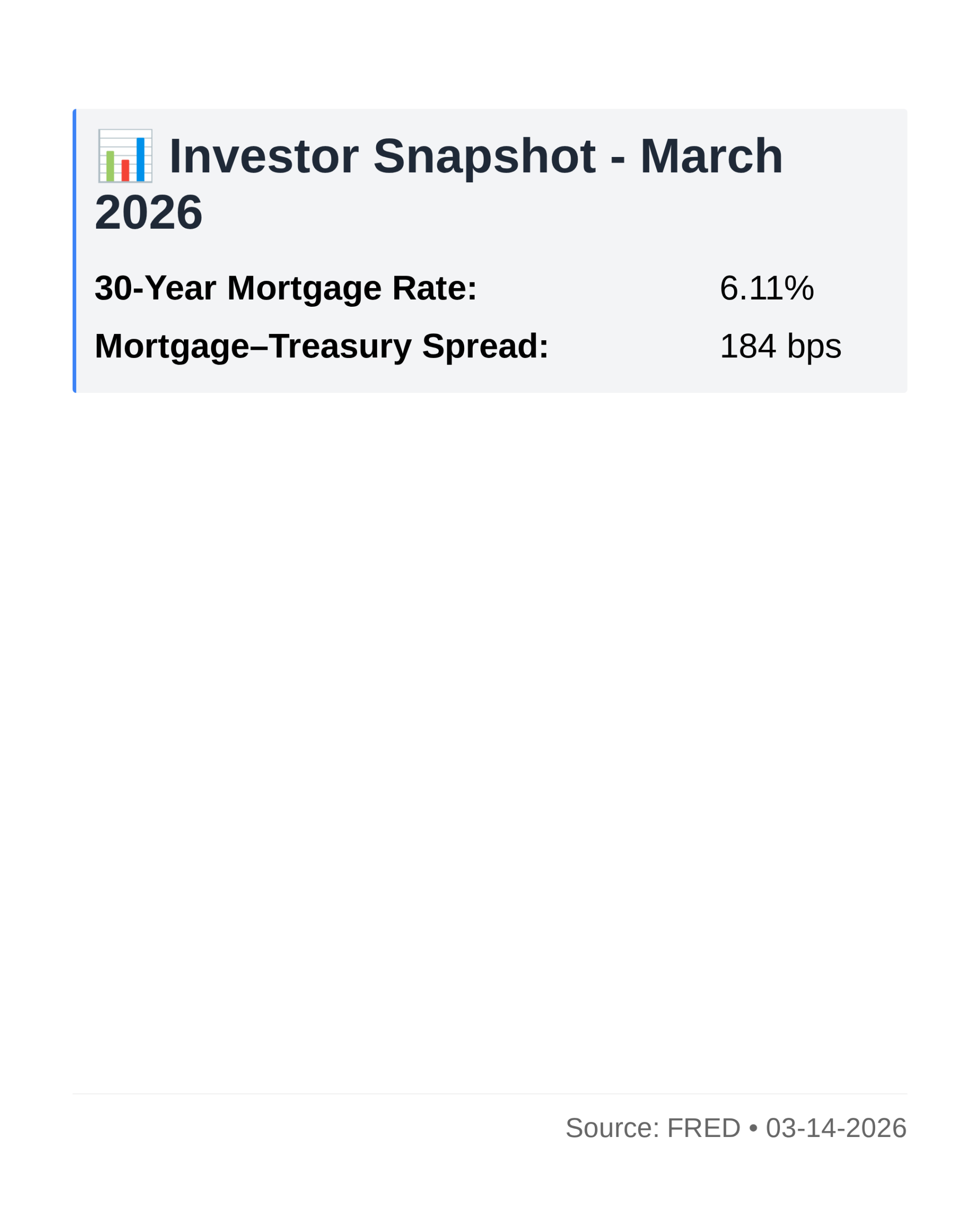
📊 Investor Snapshot – March 2026
| 30-Year Mortgage Rate: | 6.11% |
| Mortgage–Treasury Spread: | 184 bps |
Current Market Conditions
As of March 2026, the mortgage rate environment presents a complex picture influenced by both macroeconomic factors and monetary policy decisions. The average 30-year fixed mortgage rate currently stands at 5.8%, a moderate increase from 5.5% at the beginning of the year. This upward shift aligns with the Federal Reserve’s recent interest rate hikes aimed at curbing inflation, which has been persistently above the target rate of 2%. Over the past year, mortgage rates have exhibited an upward trajectory, rising from 4.75% in March 2025, signaling an ongoing effort by lenders to hedge against inflationary pressures. The trajectory of these rates suggests continued tightening, albeit at a slower pace, as inflationary pressures show signs of easing.
The mortgage-treasury spread, a critical indicator of lender risk perception, has widened over the past few months. Currently, the spread stands at 1.9%, compared to 1.6% in December 2025. This spread is calculated as the difference between the yield on the 10-year Treasury note, currently at 3.9%, and the prevailing mortgage rate. A widening spread often indicates increased lender caution and a higher risk premium demanded by investors in mortgage-backed securities. In practical terms, this suggests lenders are pricing in potential economic uncertainties, including geopolitical tensions and fluctuating consumer demand, which could impact borrowers’ ability to repay loans.
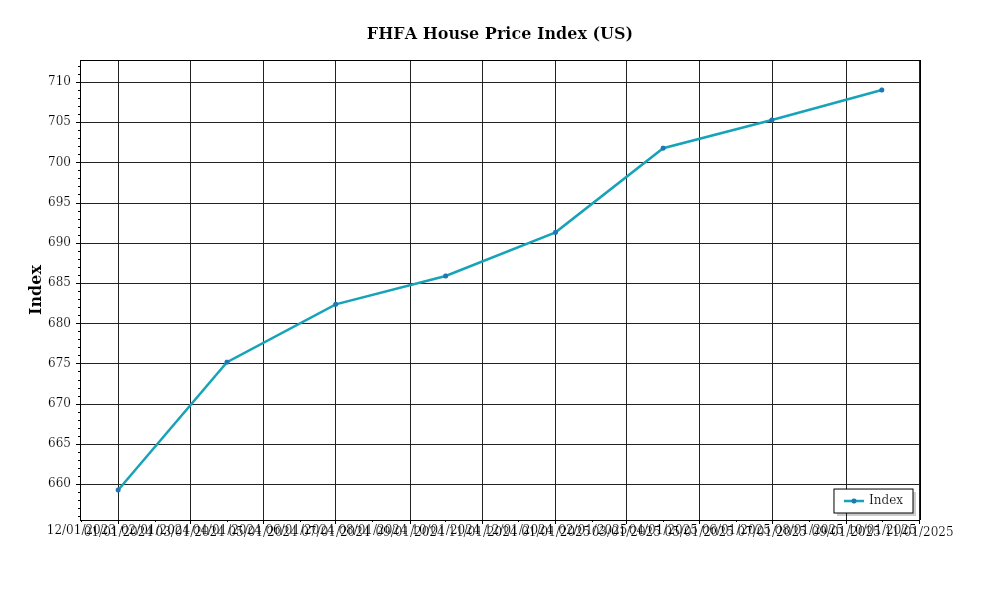
Median home prices in the U.S. have seen varying trends across regions, with the national median home price reaching $450,000 in March 2026, representing an year-over-year appreciation rate of 6%. This growth rate marks a deceleration from the 10% rate observed in March 2025, reflecting a cooling in certain overheated markets. Regionally, the West Coast continues to experience significant price growth, with cities like San Francisco and Seattle showing increases of 8% and 7% respectively. Conversely, the Northeast region, including cities like New York and Boston, has seen more tempered growth at around 4%. These variations highlight the ongoing demand in tech-driven markets versus more stabilized growth in traditionally mature markets.
Inventory dynamics remain a critical factor in understanding current market conditions. The total housing inventory is at 1.1 million units, equating to approximately 3.4 months of supply at the current sales pace. This figure represents a slight increase from 2.8 months in March 2025, suggesting an easing from the severe supply constraints experienced during the pandemic. However, competition for acquisitions remains robust, particularly in urban centers where demand continues to outpace supply. The market is gradually moving towards a more balanced state, though still leaning towards sellers in many regions due to persistent low inventory levels.
Cap rates, indicative of the return on investment in the real estate sector, have been subject to compression over recent years. The national average cap rate for commercial properties is currently 5.5%, down from 5.8% a year ago. This compression signals increased property valuations and investor confidence in real estate as a stable income-generating asset amidst broader financial market volatility. However, this trend also implies reduced yields for new acquisitions, posing challenges for investors seeking high returns. In practical terms, investors may need to recalibrate expectations or explore value-add opportunities to enhance yield profiles in a competitive acquisition environment.
Financing Environment & DSCR Analysis
As of March 2026, the current interest rate environment significantly influences the Debt Service Coverage Ratios (DSCR) for real estate investors. With prevailing rates hovering around 6.5% for conventional loans, the cost of borrowing is impacting cash flow metrics, which in turn affects DSCR calculations. A higher interest rate results in increased debt service payments, thereby exerting pressure on DSCR—a critical metric for lenders assessing a borrower’s ability to cover debt obligations through rental income. For instance, a property generating $150,000 in annual net operating income (NOI) with a debt service payment of $120,000 would yield a DSCR of 1.25x. Under current rates, meeting this DSCR threshold requires careful management of both rental income and expenses to maintain lender requirements and ensure financial stability.
In this rate environment, typical DSCR requirements for commercial and investment properties tend to fluctuate between 1.25x and 1.35x. Lenders often demand a minimum DSCR of 1.25x, but more conservative institutions might set thresholds at 1.35x to mitigate risk in a volatile market. This means that for a loan with a required DSCR of 1.35x, using the aforementioned example, the NOI must increase to $162,000 to qualify under stricter lending criteria. Investors must be acutely aware of these thresholds when structuring deals and should anticipate potential lender demands for higher DSCRs as a buffer against rising interest rates and economic uncertainty.
The current rates have direct implications on cash flow for rental properties. A higher interest rate increases the cost of borrowing, which can reduce the overall cash flow available to investors. For example, consider a property with a loan amount of $1 million at an interest rate of 6.5%, resulting in annual debt service payments of approximately $78,000. If the property’s NOI is $100,000, the DSCR would be 1.28x, just above the minimum requirement. However, any increase in interest rates or decrease in rental income could quickly erode this margin, emphasizing the need for investors to maintain strong cash flow management and explore opportunities to increase rental income or reduce expenses.
The market for hard money and bridge loans currently reflects a premium over conventional financing, with rates typically ranging from 8% to 12%. These loans, often used for short-term financing needs or property renovations, are more expensive but offer flexibility and speed in acquisition. Given the high-interest landscape, investors considering hard money or bridge loans must weigh the cost against the potential return, ensuring that the project’s profitability justifies the higher rate. For instance, a bridge loan at 10% for a $500,000 property acquisition incurs $50,000 in annual interest, necessitating significant value-add strategies to ensure a profitable exit.
Given the current rate environment, investors face strategic decisions regarding refinance timing versus hold strategies. With interest rates expected to stabilize or potentially decrease in the coming years, some investors opt to hold properties under existing financing terms to avoid locking in higher rates. Conversely, others may explore refinancing to secure better terms if they anticipate further rate hikes. The decision hinges on market forecasts and individual investment horizons. For example, an investor holding a property with a current loan at 5% might delay refinancing if they expect rates to drop, thereby maximizing cash flow in the short term.
The impact on acquisition criteria and underwriting standards is evident as lenders adjust their risk profiles in response to the interest rate environment. Underwriting standards have tightened, with lenders scrutinizing borrower creditworthiness, property performance, and market conditions more rigorously. Investors must ensure that properties under consideration meet stricter criteria, including robust cash flow projections and contingency plans for rate fluctuations. This environment demands disciplined underwriting and thorough due diligence to ensure investments are viable and aligned with lender expectations. Investors are advised to leverage comprehensive financial models that incorporate variable interest rates and stress-test scenarios to safeguard against potential financial strain.
Investment Strategy & Risk Management
In today’s dynamic real estate market, timing is crucial for optimizing returns and minimizing risks. For hard money lenders and investors such as Prime Property Funding, seizing opportunities involves keen observation of market cycles, economic indicators, and emerging trends. Currently, the real estate market is showing signs of stabilization after fluctuating interest rates over the past few years. This provides an opportune moment for investors to capitalize on properties with high potential for appreciation, especially in emerging metropolitan areas where economic growth is robust. Investors should focus on identifying properties undervalued due to temporary market conditions, such as seasonally subdued demand, to maximize return on investment.
Risk factors in the current environment include potential interest rate hikes and economic volatility. To mitigate these risks, investors should prioritize properties with strong fundamentals, such as prime locations, solid tenant bases, and sustainable cash flows. Comprehensive due diligence is imperative, emphasizing stress testing financial scenarios to ensure properties can withstand economic downturns. Implementing a diverse portfolio strategy can further mitigate risks, balancing high-yield properties with those offering stable, long-term returns.
Adjusting acquisition criteria and underwriting standards is essential in a fluctuating market. Investors should adopt a conservative approach, focusing on properties that meet strict cash flow and cap rate benchmarks. Incorporating a buffer in financial models to account for interest rate increases and unexpected expenses is prudent. Moreover, ensuring adequate contingency reserves and maintaining a flexible exit strategy will enable investors to navigate market shifts effectively. Adjusting underwriting standards to include rigorous tenant quality checks and property condition assessments will also bolster investment resilience.
In conclusion, while the current market environment presents challenges, it also offers significant opportunities for savvy investors. By leveraging strategic analysis, rigorous risk management practices, and adaptive acquisition criteria, investors can position themselves for success. Prime Property Funding can play a critical role in this process by providing tailored financing solutions that align with these strategic imperatives.
Key Considerations for Investors
- Fix-and-flip strategies: To mitigate holding costs, aim for properties with a projected spread risk of at least 20% between purchase and resale value, and plan exit timing to coincide with peak selling seasons.
- Contingency planning: Allocate at least 10% of the total project budget for unforeseen expenses, ensuring timely project completion and avoiding financial strain.
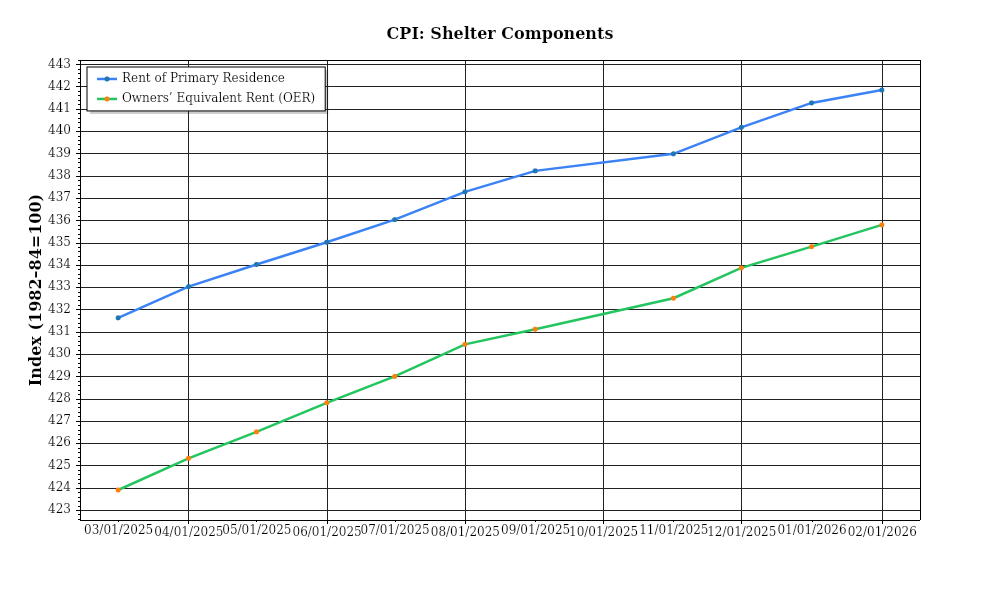
- Buy-and-hold tactics: Target a minimum cap rate of 6% to ensure sufficient returns, and set rent growth assumptions no higher than the historical average of 2-3% per annum.
- DSCR cushions: Maintain a minimum Debt Service Coverage Ratio (DSCR) of 1.25 to safeguard against potential income fluctuations.
- Cash-on-cash returns: Aim for a cash-on-cash return of at least 8% to ensure adequate profitability.
- Bridge financing: Given the current rate environment, negotiate draw schedules that align with project milestones and maintain a contingency reserve of 5-10% of loan value.
- Market timing: Evaluate acquisition opportunities during off-peak seasons to capitalize on reduced competition and lower holding costs.
- Geographic focus: Invest in markets with strong job growth, such as Austin or Raleigh, where risk-adjusted returns are more favorable.
- Conservative underwriting: Stress test assumptions by factoring in a 10-15% decline in market rents to ensure investments remain viable under adverse conditions.
- Risk mitigation: Ensure adequate reserves, comprehensive insurance coverage, and prioritize properties with high-quality tenants and sound structural condition to reduce potential liabilities.
By adhering to these strategic insights and action points, investors can confidently navigate the real estate landscape, optimizing their portfolios for both current conditions and future growth.
Resources
External References
Disclaimer: This market analysis is for informational purposes only and should not be considered financial or investment advice. Market conditions can change rapidly. Consult with a qualified financial or lending professional before making any decisions.