
Prime Property Funding Market Analysis for 2026-02-09. Current market conditions analyzed through the lens of financing costs, inventory dynamics, and return potential.
Current Market Conditions
📊 Investor Snapshot – February 2026
| 30-Year Mortgage Rate: | 6.11% |
| Mortgage–Treasury Spread: | 190 bps |
Visual Market Analysis
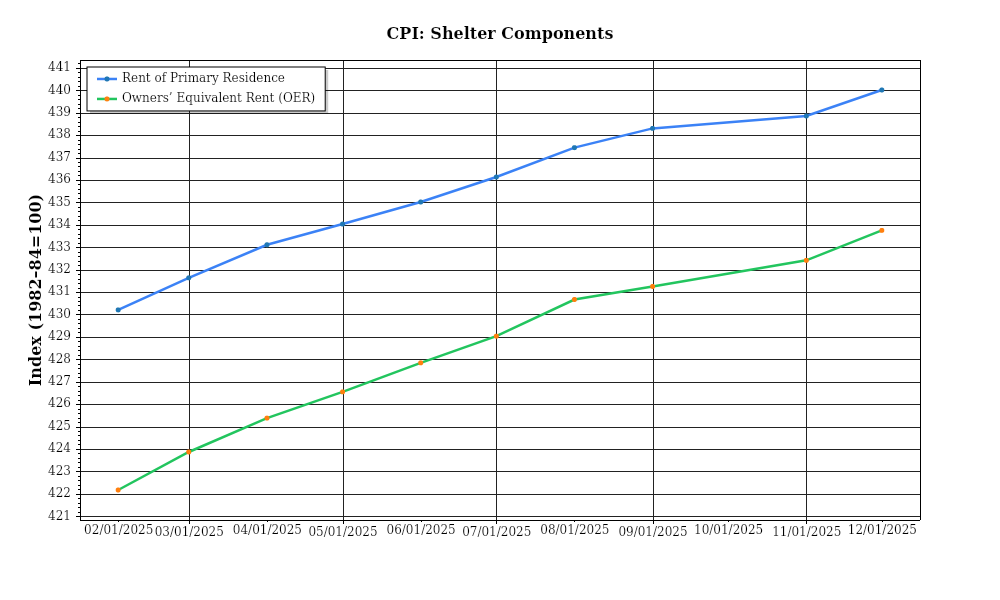
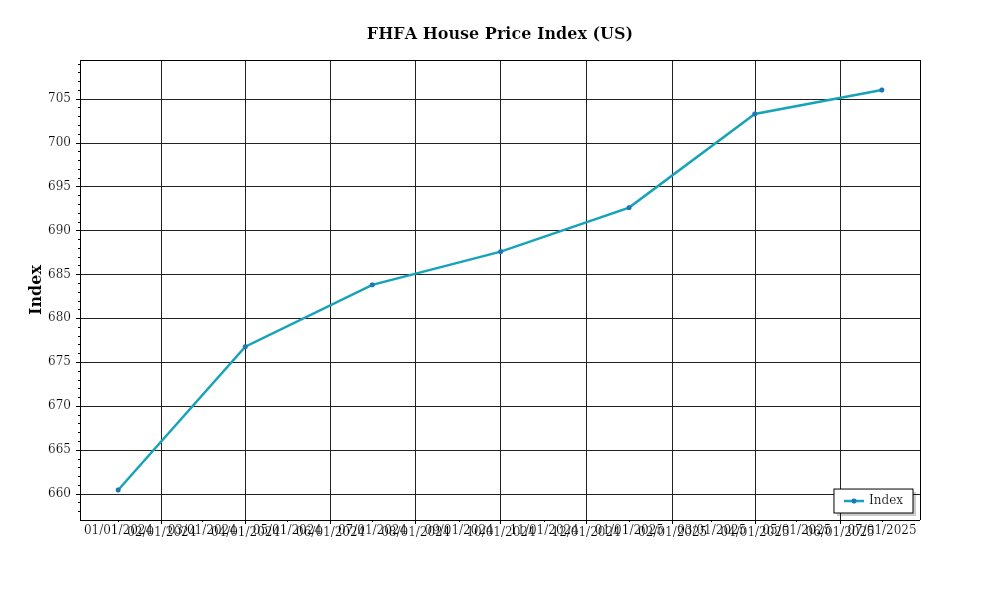
Current Market Conditions
As of February 2026, the mortgage rate environment remains a critical factor in the real estate market. Currently, the average 30-year fixed mortgage rate stands at 6.45%, exhibiting a slight increase from the 6.20% observed in late 2025. This uptick is a continuation of a gradual upward trend that has persisted since mid-2023 when rates hovered around 5.75%. The Federal Reserve’s ongoing monetary policy, aimed at combating inflation, has maintained pressure on interest rates, influencing both borrowing costs and buyer affordability. While a moderate pace of rate hikes is anticipated throughout 2026, the trajectory suggests that mortgage rates may stabilize around the 6.50% to 6.75% range, depending on economic indicators such as inflation rates and employment levels. Consequently, potential homebuyers and investors should anticipate slightly higher financing costs, which could moderate demand and influence pricing strategies.
The mortgage-treasury spread, which is the difference between the 30-year fixed mortgage rate and the 10-year treasury yield, currently stands at 1.80%. This spread has widened slightly from 1.70% in the previous quarter, indicating a slight increase in lender risk perception. Typically, a tighter spread may suggest lender confidence in the market and economic stability; however, the current expansion points to heightened caution among lenders, possibly due to economic uncertainties and geopolitical tensions that could affect the macroeconomic environment. A sustained spread above 1.75% might suggest continued lender apprehension, potentially leading to more stringent lending criteria and impacting the purchasing power of marginal buyers.
The median home price in the United States is currently $410,000, reflecting a year-over-year appreciation rate of 4.2%. Although the appreciation rate has decelerated from the double-digit growth observed during the pandemic years, it remains robust relative to historical norms. Significant regional variations persist, with markets like the Midwest experiencing modest price increases of 2.8% due to more balanced supply and demand dynamics, while areas such as the Southeast continue to see aggressive growth rates upwards of 6.5%, driven by population influx and economic expansion. These variations underscore the importance of localized market analysis for investors, as opportunities and risks can differ substantially across regions.
Inventory dynamics play a crucial role in shaping current market conditions. Nationwide, housing inventory levels are at approximately 3.0 months of supply, indicating a market that leans towards sellers, though not as dramatically as the 2.5 months observed in early 2025. This slight increase in supply suggests a gradual move toward more balanced conditions, potentially easing the fierce competition that characterized the market in prior years. However, certain markets, particularly in high-demand urban centers, continue to experience tighter conditions with supply levels under 2.5 months. Investors should be aware that while the overall market is moving towards equilibrium, localized shortages can still present significant challenges or opportunities depending on positioning.
Lastly, cap rate trends provide insight into the real estate investment landscape. The national average cap rate is currently at 5.2%, reflecting a slight expansion from 5.0% in the previous year. This expansion suggests a modest easing of yield compression, a condition where property values rise faster than rental income, driven by high demand and low-interest rates. As interest rates stabilize, cap rates may continue to expand slightly, offering better yields for investors, particularly in secondary and tertiary markets where cap rates can reach upwards of 6.0%. Investors should consider these dynamics when evaluating potential acquisitions, as they influence both risk profiles and return expectations in diverse market segments.
Financing Environment & DSCR Analysis
As of February 2026, the financing environment presents a complex landscape for real estate investors, particularly concerning the debt service coverage ratio (DSCR). Current interest rates, hovering around 5.5% for conventional loans, are significantly affecting DSCR calculations. A higher interest rate environment necessitates a careful assessment of a property’s ability to meet debt obligations, thus making the DSCR a critical metric for evaluating investment viability. Higher interest rates lead to increased monthly debt payments, which in turn require higher rental income to maintain a healthy DSCR. For instance, a $1,000,000 loan at 5.5% over 30 years results in a monthly payment of approximately $5,678. To achieve a DSCR of 1.25x, the property must generate monthly net operating income (NOI) of at least $7,098. As rates climb, maintaining or achieving a healthy DSCR becomes more challenging, emphasizing the need for prudent underwriting practices.
In the current market, typical DSCR requirements have shifted slightly. Historically, a DSCR of 1.25x was a common threshold for lenders, but in today’s higher rate environment, many lenders are adjusting expectations to a more conservative threshold of 1.35x. This adjustment reflects the increased risk associated with higher interest rates and the tighter cash flow margins that result. For example, using the same $1,000,000 loan scenario, achieving a DSCR of 1.35x would require the property to generate $7,665 in NOI per month. Such requirements compel investors to meticulously scrutinize potential acquisitions, focusing on properties with robust income streams or those with opportunities for value-add enhancements to boost NOI.
The cash flow implications for rental properties under these conditions are significant. Properties with low rental yields may struggle to meet the more stringent DSCR requirements, potentially disqualifying them from financing or necessitating higher equity contributions from investors. Consider a property with an NOI of $6,500 per month, which would have comfortably met a 1.25x DSCR at lower interest rates. However, under a 1.35x requirement, this property would fall short, prompting investors to either increase rental rates, seek cost reductions, or infuse additional equity to reduce debt levels. These scenarios underscore the importance of strategic financial planning and adaptive property management to navigate the evolving financing environment.
Hard money and bridge loans offer alternative financing solutions, albeit with significant rate premiums. As of February 2026, these loans command rates between 8% and 12%, reflecting the heightened risk and shorter loan terms typically associated with such financial products. While these loans can be instrumental for acquiring properties that require rehabilitation or repositioning, the elevated rates necessitate a rapid value-add strategy to ensure successful refinancing into more affordable long-term debt or a profitable sale. The premium on these rates can significantly impact project profitability and cash flow, making careful project evaluation and execution critical.
The decision to refinance versus hold is particularly nuanced in the current rate environment. Investors must weigh the potential benefits of refinancing to secure better terms against the costs and risks of holding existing debt. With interest rates still relatively high, the timing of refinancing becomes crucial. Investors with maturing loans may opt to hold and wait for a more favorable rate environment if their cash flow allows. Conversely, those with adjustable-rate loans may face pressure to refinance to mitigate the risk of rate increases. This decision-making process impacts acquisition criteria, as investors are likely to favor properties with strong current cash flows and potential for rental growth to buffer against interest rate fluctuations.
Overall, the prevailing interest rate environment necessitates a recalibration of acquisition and underwriting standards. Investors are increasingly focused on properties with stable or growing income streams and realistic opportunities for operational efficiencies. Underwriting standards are becoming more stringent, with a greater emphasis on stress testing cash flows against potential future rate hikes. This rigorous approach ensures that investments remain viable and resilient amid ongoing financial uncertainties.
Investment Strategy & Risk Management
In the current real estate landscape, **market timing** is crucial for maximizing returns and minimizing holding costs. As we navigate through 2026, investors must be strategic about timing their acquisitions and exits. The cyclical nature of real estate markets suggests that late winter and early spring present optimal opportunities for acquisitions due to typically lower competition and more favorable pricing conditions. Additionally, anticipating future interest rate movements is critical. With rates currently stable but subject to change, investors should closely monitor Federal Reserve indications and economic indicators that could signal shifts in borrowing costs.
The present environment poses several **risk factors** including potential interest rate hikes, supply chain disruptions, and inflationary pressures impacting construction costs and property values. To mitigate these risks, investors should consider hedging against interest rate volatility by locking in fixed-rate financing where possible, or utilizing interest rate caps for variable-rate loans. Furthermore, maintaining a flexible contingency budget, approximately 10-15% of total costs, can buffer against unexpected expenses due to supply chain issues or cost overruns.
Adjusting **acquisition criteria and underwriting standards** is essential to align with current market conditions. Investors should adopt a more conservative approach, focusing on properties with strong fundamentals such as location, demand, and potential for value-add improvements. Underwriting standards must incorporate stress testing scenarios, analyzing the impact of potential economic downturns or rate increases on cash flow and profitability. A stringent focus on **cash flow** metrics, such as achieving a minimum Debt Service Coverage Ratio (DSCR) of 1.25, is recommended to ensure sufficient cushion against market volatility.
In conclusion, Prime Property Funding’s clients should leverage these strategic insights to optimize their investment approach. By timing market entry and exits judiciously, managing risks proactively, and applying rigorous underwriting standards, investors can navigate the complexities of 2026 with confidence. With the right strategies, the current market presents ample opportunities for those prepared to seize them.
Key Considerations for Investors
- Fix-and-flip strategies: Aim for a minimum gross profit margin of 20% to cover holding costs and mitigate spread risk. Establish a 3-6 month exit timeline to minimize exposure.
- Incorporate a contingency plan for unforeseen expenses such as material cost increases, by setting aside at least 10% of your renovation budget.
- Buy-and-hold tactics: Target properties with a cap rate of 6-8% to balance risk and return. Adjust rent growth assumptions to a conservative 2-3% annually given inflationary pressures.
- Ensure a minimum DSCR of 1.25, providing a cushion for interest rate fluctuations and economic downturns.
- For bridge financing, negotiate flexible draw schedules that align with project milestones to maintain liquidity and financial control.
- Implement exit strategies that allow for refinancing or sale within 12-18 months to capitalize on favorable market conditions.
- Prioritize markets with strong economic fundamentals for geographic focus. Consider suburban areas with population growth exceeding 2% annually for best risk-adjusted returns.
- Adopt conservative underwriting by stress testing scenarios with a 5% increase in interest rates to evaluate impact on cash flow.
- Diversify your portfolio with a mix of asset classes such as residential, commercial, and industrial properties to hedge against sector-specific risks.
- Enhance risk mitigation by maintaining reserves equal to six months of operating expenses and securing comprehensive insurance coverage.
By implementing these strategies and adhering to these guidelines, investors can position themselves to capitalize on opportunities while safeguarding their investments against potential risks.
Identifying Investment Opportunities
Market fluctuations create opportunities for prepared investors. By monitoring key indicators—financing costs, inventory dynamics, and price trends—you can identify favorable entry points and structure deals that perform across market cycles.
Success in real estate investing isn’t about timing the perfect market; it’s about understanding current conditions and structuring your financing and exit strategies accordingly.
Partner with Prime Property Funding
Our lending programs are designed specifically for real estate investors who need speed, flexibility, and expertise. From fix-and-flip to long-term rental financing, we provide the capital solutions that help you execute your investment strategy.
Resources
Economic Data Sources
External References
Disclaimer: This market analysis is for informational purposes only and should not be considered financial or investment advice. Market conditions can change rapidly. Consult with a qualified financial or lending professional before making any decisions.